
Bond University has offered the best student experience for the past 15 years through a combination of its quality teaching staff, classroom environment and the practical learning opportunities it offers both internally and through community partners. A new opportunity for exercise and sport science students, made possible through a collaboration with Bond Sport, is an innovative sport science internship program which gives students hands-on sport science servicing and research experience throughout their undergraduate degree.
Since the program began in February 2020, six interns have been engaged across four sports (Rugby, Netball, Swimming and AFL) working with over 150 athletes to enhance their physical and tactical abilities so they can improve as players and as a team. As the interns, athletes and coaches grow in capacity, the program continues to go from strength to strength with athletes engaged in state and national talent pathways using the data collected to improve their performance on and off the playing arena.
Each sport has its own data collection processes and reporting mechanisms given the context of each club environment. Both individual and team experience, ability and goals are factors that are considered before implementing a data collection process with the goal of each program being to enhance the data literacy of students, players and coaches so students and coaches can help deliver strategies to improve a player’s performance and players themselves can self-regulate their own habits to optimize their own performance in their sport. Therefore, designing a bespoke program for each team we work with has been crucial in building this program with dividends beginning to show. Generally, each program delivers feedback about performance (game statistics or set times), physiology (sRPE, GPS, Heart Rate) and wellness (soreness, sleep, mental and physical fatigue) as well as delivering educational sessions helping individuals develop a toolbox of strategies they can use to help them perform at an optimal level.
Whilst the program is in its infancy, some small successes have emerged.
- Bond Rugby
- Players who are in talent pathways are literate in GPS and RPE loading therefore can discuss their loads with coaches and practitioners which has enabled greater management of their load so they can prevent injury
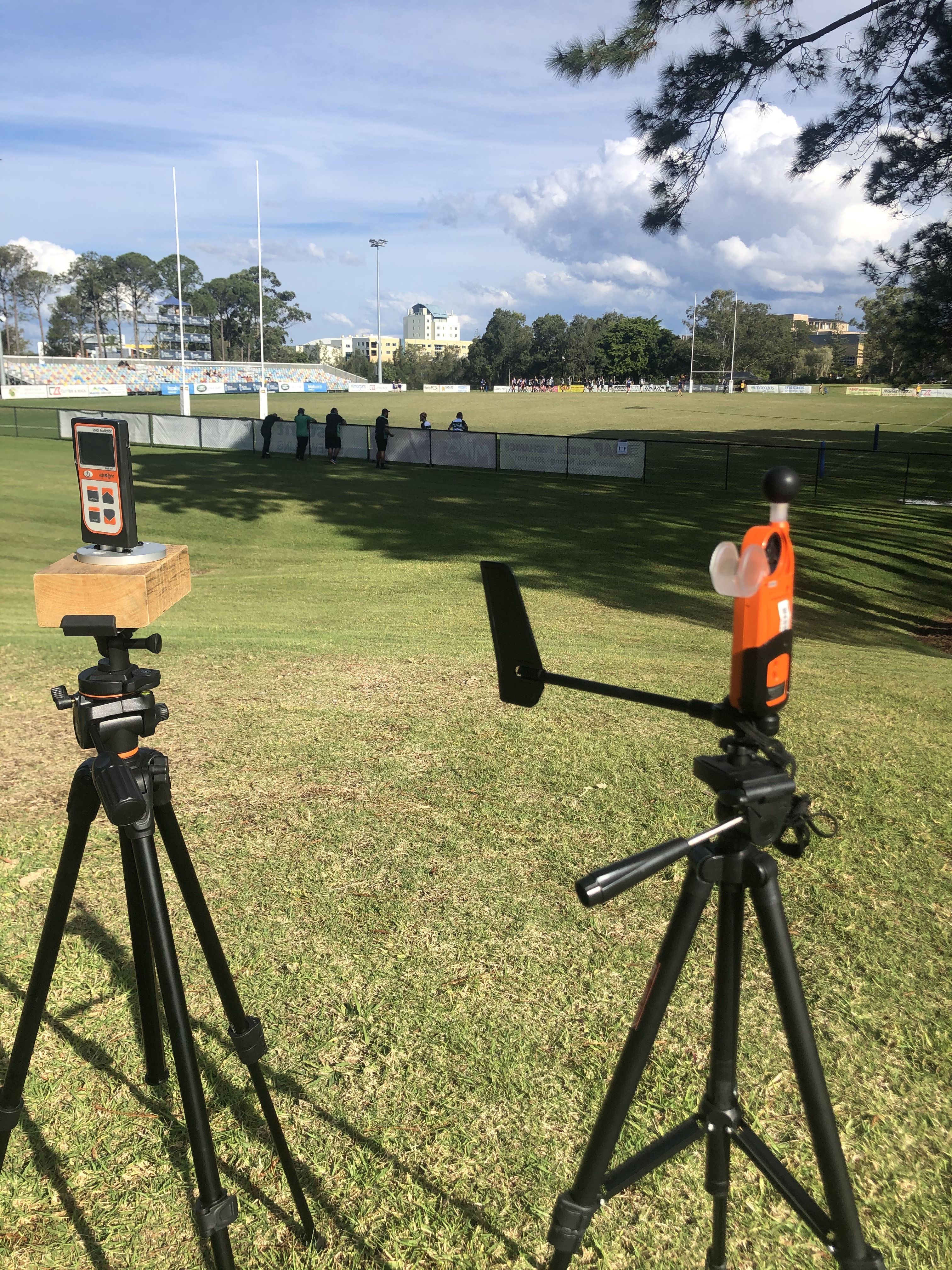
- An intern working with coaches has developed a heat management plan which is being rolled out across Rugby and AFL. Additionally, a “session external load calculator” has been created which calculates the mean ± standard deviation of distance and high-speed running (20+ km/h) of each drill so coaches have more control over the loading of their players
- AoN Women’s 7s players who participated in a pilot program in 2019 have asked for a more diverse and comprehensive program in 2020 as they felt the program added value to their experience and gave them additional aspects of the game to focus on whilst playing.
- QAS-contracted player used data collected in our program in 2019 through rehabilitation practices in 2020
- Data collected and fed-back to players has been described as “invaluable” by coaching staff
- Bond AFL
- The collection of rotations data allowed for the effective management (maximal playing time in critical quarters) of an AFLW contracted player who required a certain amount of game-time
- Bullsharks Netball
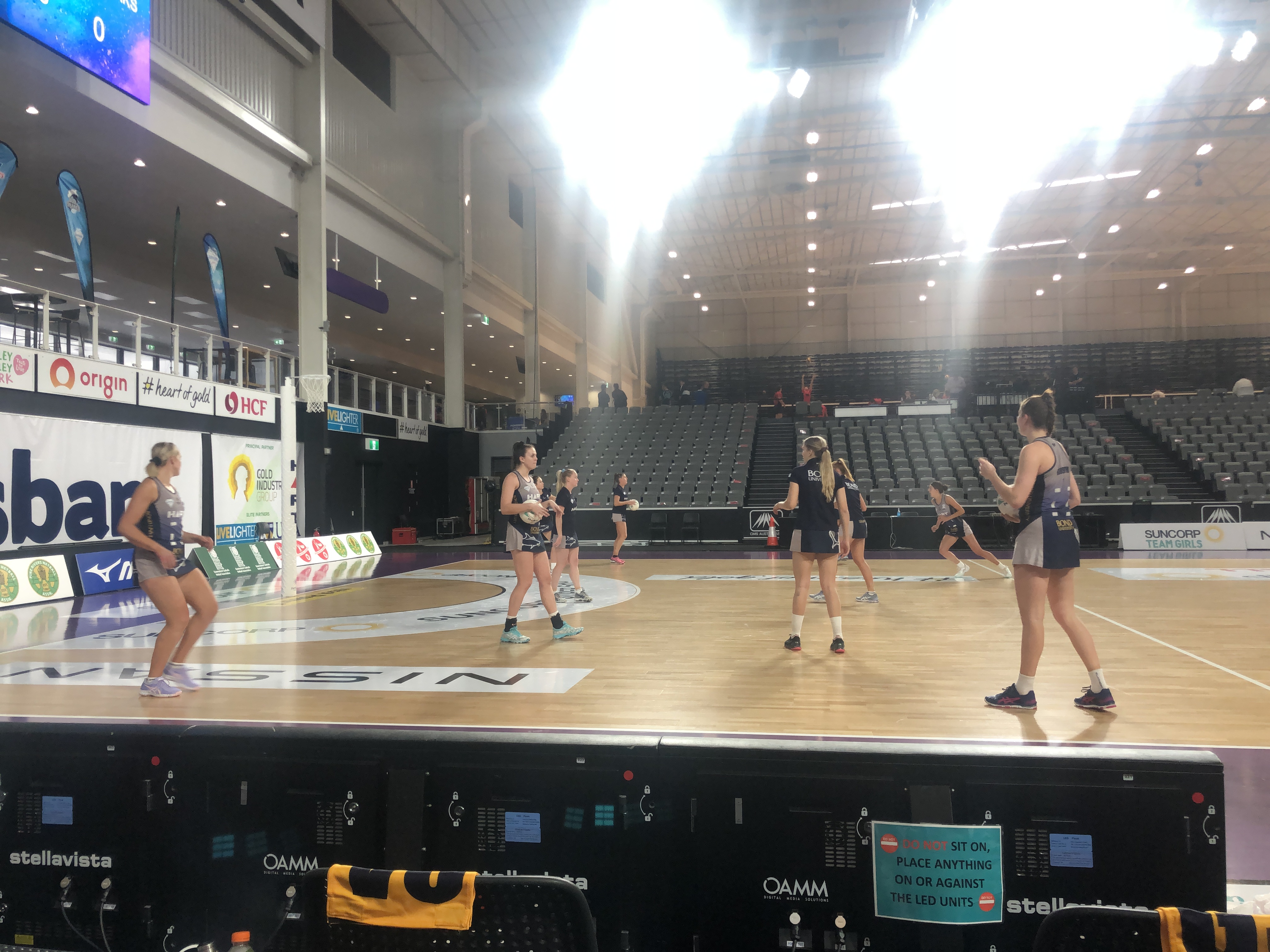
- Regular use of game statistics, training load and wellness data has assisted coached in developing player performance feedback, player management and load management
- Use of consistent game statistics measures across U16s, U18s, Ruby and Sapphire, allowing for a development of knowledge in younger athletes so they can optimize performance when they get selected in higher squads
- Regular feedback of AMS data to talent pathway players help to develop their abilities to self-regulate load and have meaningful conversations with pathway staff
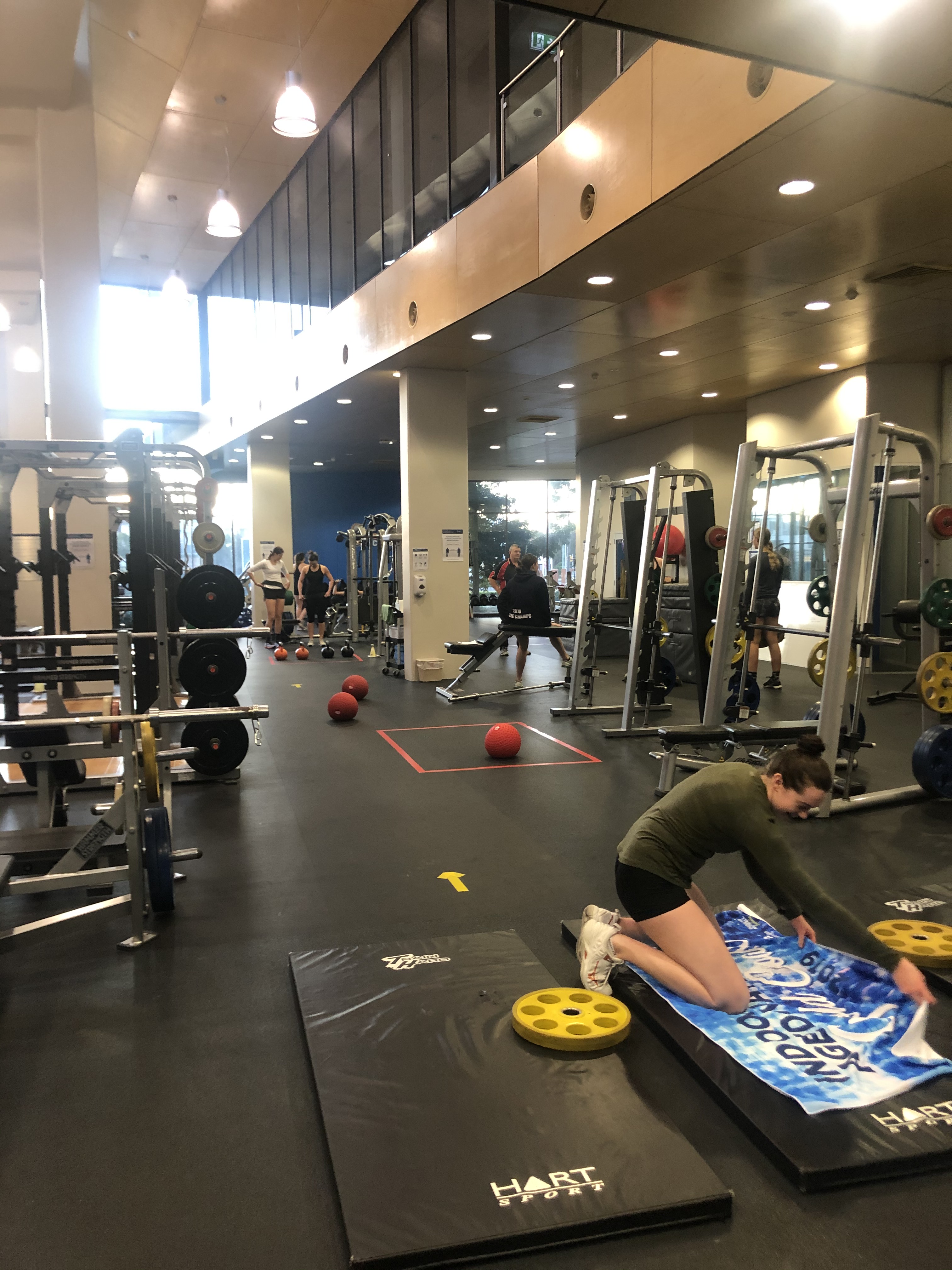
- Use of bar velocity feedback in the gym aids in developing a focus on velocity through power movements
- Bond Swimming
- Athlete management system fed back every ~4 weeks via educational workshops and interventions (sleep extension and hygiene) concerning the data collected (sleep, mental fatigue, set times)
- Development of pacing strategies white paper by intern allowed for coaching development about the published knowledge base
- Ongoing presence on pool-deck combined with education has increased swimmer engagement and habits (increased sleep duration + recovery)
- Student project opportunities have been established which allow the application of skills developed in undergraduate subjects in real-life
- Subject Integration
- One project has been developed and will be executed in the September semester in collaboration with Faculty with plans for more as capacity within the program increases
Overall as we head towards 2021, the sport science internship program offers students, athletes and coaches the opportunity to develop their skills and knowledge using the most up-to-date information available. With the introduction of Edge10 software in 2021 to supplement the current structures in place, the program is beginning to develop into an experience that is difficult to match across university sport for all stakeholders.
 Figuring out Sport