Michael Barth and Arne Güllich are two outstanding academics in the youth sport area. Their work focuses on the environments and factors which lead to successful senior athletes in a variety of sports. Over a number of years they have shown that the sport system’s ability to predict senior sport performance from junior sport performance is extremely poor. Their latest paper shows a 0-4.6% correlation between junior and senior performance in Olympic Sports – a bleak return on investment for junior development programs in most sporting organisations.
Findings like these are informing the talent identification and development process at Maribyrnong Secondary College as we aim to offer a nation leading school-based talent development environment. We regularly review our processes both within the athletic development department and the overall academy. Recent internal research and professional development has reinforced the role of an environment with a long term athletic development philosophy in enhancing athlete availability, skill development and physical fitness. Hopefully, these messages and other changes in programming leads to greater athlete availability for our students aiming to develop their skills in their sports.
A part of the MSA ethos is the constant sharing of ideas and research and drive of the staff to be the most knowledgeable practioners they can be. This is why the MSA Research Centre was launched late last year – to develop a centre where academics, coaches, allied health professionals and educators can share and generate new knowledge which informs future talent development environments. In that spirit, is it time to critically think about junior sports academies. Maybe it’s more true that junior sports academies have an important educational and engagement role than a performance role. Advocating that high performance in these academies leads to high performance in seniors could be overzealous for a majority of people based on the current evidence. Factors outside of junior performance including opportunity to compete a senior elite level compared to junior level, selection biases and effect of injury on performance must contribute to a larger extent to senior performance. But these are all factors of the sporting system which have been consistent over time and must be considered when people advocate that a talent development system “produces exceptional athletes”. Right?
Moreover the correlations reported by Barth and colleagues are not facts which the general public will find easy to accept. It flies against convention that junior sports performance and senior sports performance have almost negligible correlation. If that is true, then what’s the role of a coach/practitioner in a junior environment – I’m sure there’s plenty of answers to that question but it’s one that must be considered thoughtfully since the answer “to increase performance” could actually be counter-intuitive to the long term outcomes of a talent development system. Especially if those are the answers of coaches of 10 to 14 year olds in a late-specialisation sport.
Another important consideration is that selection and performance are two different constructs. Whilst senior selection may occur based on junior performance due to maturation bias, relative age bias and subjective bias in general, senior performance is not guaranteed. A change in philosophy from “our academy produced x who was selected” to “our academy produced this high performing senior athlete” may be a more valid approach to appraise the success of talent development environments but also may not be very marketable due to the low occurrence of these cases, long-term (5+ years) payoff of this approach and likelihood of a null outcome (low to moderate senior performance) for the majority.
Where does this leave us? Barth and colleagues advise that measuring progress late (whenever that is for each sport) in the talent development progress may be an important predictor for senior sport performance. To get to the late stages of the talent development pathway, Paul Larkin has shown repeatedly that GRIT is an important psychological trait to possess. When athletes bring that trait and coaches create a junior development environment which challenges athletes and affords psychological safety during a difficult period in their lives, junior athletes thrive. Specialising/not specialising in a sport accelerates or decelerates the rate of skill acquisition and performance (see Michael Barth’s other work) and the timing of this could be an interesting policy strategy with long term benefits for senior sport performance within sporting organisations.
Clearly, talent development environments are here to stay. I am employed within one and enjoy the work that we do. The findings of Barth et al. reinforce that senior performance outcomes and junior performance outcomes are independent. An alternate hypothesis may be that there are thresholds of junior performance for senior performance outcomes i.e. it may not be the winner of the U16s national 10km race which makes the Olympics rather it could be one of the athletes who come 2nd to 6th who possess the grit to maintain their training. My interpretation of the findings of the paper by Barth and colleagues and the rest of the talent development literature is that investment in junior athletes with grit, developing athletes in an environment which times the specialisation of their training with peak periods of high performance of their sport (early/late specialisation sports) and ensuring adequate athletic development occurs in these training environments to reduce injury risk, increase athlete availability and improve performance are considerations which help athletes get closer to “where the money is (senior competition)”. Professional sport is the payoff for most athletes and affords them lives which allow them to continue to improve their performance with financial security. The purists may argue that sport training and high performance development is all about the sport and performance. But if you can’t feed yourself and have no shelter, you can’t perform well regardless of your training regime. Which is why parents form an important role in the athletic development of junior and senior athletes – but that’s a whole different blog altogether.
Those same purists may also fawn over the latest new talent in a sport of their choosing. Unfortunately evidence would say that if we’re talking about a high performing adolescent, the odds of sustained high performance into adulthood are not in their favour.
My return to the blogosphere is one afforded by convenience rather than strategy. I’m not sure that this is going to be regular but while you’re here feel free to look around at my other articles, archived for future me to look back at who I was in the past. What I do hope is that my “musings” make you curious about the research we do at MSA and VU. If that is the case, our doors are open for research collaborations, education sessions and site visits. Reach out to either myself (gyan.wijekulasuriya@vu.edu.au) or Paul Larkin (paul.larkin@vu.edu.au) for further enquiries. In the spirit of Carl Woods (see Sports Medicine Jan 2024 edition for his latest paper), we are wayfinding through the process of developing the research centre and welcome engagement. The saying in-house at MSA is “it’s not a no, it’s a how can we achieve this?”. So if you have an idea, come and join us as we try to conduct research to improve the health and, dare I say it, performance of our developing athletes.
The aim of this article is simply to document the things I have tried/will try in female strength and conditioning programs which seem to have worked. The evidence base for female athletes is notoriously small and for female AFL there is even less literature due to its relative infancy as a professional code. This article is probably going to evolve as I learn more about coaching especially coaching female teams but it seems like a good place to reflect and record the philosophies that have guided me during the QWAFL season of 2021 and beyond.
2021 QWAFL – Bond University AFL – QWAFL Development League Premiers, QWAFL Seniors Runner’s Up
Data from the 2020/21 season indicate that we had a total of 65 injuries from ~102 activity exposures (3/wk for 34 weeks [8.5 months]). Relative to player exposure (n = 40/game, 30/training) there was a 2.4% chance of injury to a player during physical activity at the club (65/2720 [8.5 months x 2 training and 17 wks x 1 game]). Therefore, every ~1.5 sessions (~twice a week) someone was injured and individual players can expect to get injured on average once every 43 training sessions (~2 times per year, 1/0.023). Interestingly, when compared to data collected in 2018, the rate of injury during QWAFL 2021 was much lower (15.9/1000 player hours) compared to the 24.8/1000 player hours and 36.9/1000 player hours in the AFLW and AFL respectively (Australian Football League, 2019). To complete the description of our year, knee injuries were the highest frequency (10) followed by hand (8), shoulder (7), ankle (7) and lumbar spine (6). We only had 1 ACL injury and somehow no one injured their hamstring.
Season length and competition demands are probably the missing link between the professional competitions and our amateur competition, though this phenomenon is yet to be investigated between men and women’s competitions and in depth within the women’s competition. Nevertheless, coming into 2021 I expected to lose a girl every week due to injury, to be busy every night rehabbing players and to have little time to watch main training. It seemed that this was what everyone said would happen – all we hear is women get injured more frequently and their injuries are more catastrophic. For the most part, the rehab group has been small and our playing list was almost 100% healthy with some rehabilitation required but not nearly as much as expected. The highlight of the year was when we had a ~3 week period of 0 on our return to run list which was a major milestone for the medical team!
Now I know I may have had a very lucky year and if that’s true, so be it. But I’d like to think that some of the strength and conditioning strategies we maintained year round has helped reduce these injury rates. I’m going to outline them below in the hope that some will resonate with what we put in place in-season and the information may start forming or even firming some philosophies about female team sport/AFL conditioning. At the very least, future Gyan can revisit this article and be reminded or shocked at the strength and conditioning he provided in 2021 and maybe by then he’s managed to connect what he did to some physiology or biomechanical principle.
Consistent Training Volume Now I know that manipulating training load to reduce injury may not be as powerful as initially thought (see Franco Impellizzeri’s article What Role Do Chronic Workloads Play in the Acute to Chronic Workload Ratio? Time to Dismiss ACWR and Its Underlying Theory | SpringerLink) so I’m not going to call the “ACWR magic” card (sorry to those who were waiting for it) but we did keep volume reasonably consistent during the year and reduced lower leg injuries compared to 2020. It’s a convenient coincidence but meant players were well conditioned to a set of demands by season’s end and this consistency had to have some impact on maintaining steady tissue stress and resynthesis.
We knew (from GPS data collected via the Bond University Sport Science Internship Program) that match loads were approximately 7-8km depending on the player, position, gameplay, weather etc. Using STRAVA data from select players to track volume, we ensured that pre-season training was ~6-7km per night and in-season ranged from 3.5-6km depending on the aim of the particular block and schedule of games. 8 day turnarounds allowed for opportunities to increase load on Thursdays though for most of the year we had a high volume, aerobic based Tuesday and speed training on Thursday. Any extra volume was completed on Monday with Wednesday an allocated resistance training session. Therefore, we knew players would run at least 18km pre-season and between ~15 (3.5 + 4 + 7.5 = 15km) and ~18km (5.5 + 5 + 8 = 18.5) in season. When lockdowns hit (2 including Grand Final Week) we were able to prescribe precise distances for our players to run to maintain the volume of running for their week. Knowing these values allowed us to know whether we were de-loading adequately in season as well. We planned for two low volume, “high fun” phases to ensure the girls had time to recover during high playing density (6 day turnaround) and to introduce variety into our training. If we reached 5km on a deload Tuesday, it meant almost zero volume of conditioning on Thursday to maximise time for skills during the shortened session to get the girls to stay low in volume. Overall, focusing on maintaining volume seems to have reduced spikes in load and excessive overloading of tissues. A gradual increase and decrease occurred at specific points in the season to allow for increased supercompensation or overload depending on the training stimulus required.
Training Type
Aerobic Volume
Sprints/Agility
Gameday
Totals
Day of Week
Tuesday (MD+2/3)
Thursday (MD-2/3)
Saturday/Sunday (MD)
Pre-Season Volume (km)
6.5-7.0
6.0-6.5
5.0
18.0
In-Season Volume (km)
3.5-5.5
3.5-5.0
7.5-8.0
18.5
Pre-season and in-season training volumes for QWAFL training sessions in 2021. Data was approximated from GPS data collected using STRAVA and GPSports HPU systems.
Warm Up – Plyometrics for Lower Leg Stiffness Double foot hops will always be part of my warm ups from now on for the simple reason that I believe it had a moderate impact on lower leg stiffness and knee control during acceleration/deceleration thereby reducing knee injuries. Long bow but hear me out. Lower leg stiffness increases sprint and endurance performance, that we know is clear. Individuals with high volumes of work are at risk from stress-related injuries from high lower leg stiffness so if stress fractures and shin splints have occurred historically this type of work may be contraindicated. Regardless, data on the stiffness of female specific cohorts in the literature and relationships with injury don’t exist but we do know that female athletes have more mobility through the lower leg joints than males (Ward et al., 2019). Therefore if female athletes typically have high mobility through their joints compared to male athletes then introducing stability rather than mobility to joints with common injuries (lower leg) may reduce their mobility during challenging contexts and reduce knee injuries. Of course strength training is the first port of call but plyometrics transfer strength onto the field. We completed descending run throughs with 2 x 5-10 hops for speed and 1 x 5-10 hops for height every session pre-season and in-season. Warm up was an easy place to get reps in of prehab exercises which may help improve performance/reduce injury and because we did it every single session, the reps became easier throughout the year. I also did a fair amount of single leg landing in warm-up without including double leg landing with a mechanics. In my head the ACL mechanism requires range through the joint plus a twist. If we train female players to handle loads through the knee with lower ROM then maybe there is less likelihood of being in a flexed position which quickly turns to valgus? This is a theory which could be risky though it has some biomechanical basis. Maybe a more fleshed out version is to introduce motor patterning in the gym and use the warm up as an opportunity for more explosive plyometrics. Would like to hear if anyone has any opinions on this in case I’m being way too naive.
Warm Up – Chaos Change of Direction Put simply, we played tag (drop tag to be precise) for half the season in a reasonably small area with a lot of people. Dodging and weaving is an important part of agility and uncontrolled cutting can/will transfer to games in terms of being comfortable and aware of those around you in traffic. The drill inevitably has some clashes as new players/players with poor proprioception run into each other but play it enough and players seem to get better. Plus it’s fun and can be conditioning if you play it for long enough – 2 minutes is a long time going full pelt. The fun element is something to really consider for female sport. Fun is necessary to keep women engaged otherwise the group can get very serious very quickly and on the other side of very serious is very toxic which is dangerous territory for any organisation.
Pre-Season Wrestling We did some wrestling and tackle/up and sprint work throughout the season to get used to the get up off the ground and contact elements of AFL. From a shoulder injury point of view this may not have worked too well judging by total number of injuries but we didn’t have any catastrophic dislocations or AC joint injuries therefore the severity of injuries may have been reduced. From a contest to contest performance point of view there also seemed to be a little bit of transfer. We prided ourselves on being hard to play against, tackling hard and winning the ball in the contest which we trained for during the early season. By the time we got to mid-season we did peter out with our contested conditioning work during the year as we focused on different things (speed/threshold). Something to consider to continue mid/late season for some variety and to maintain our capacity in the contest.
In-Season Speed We ran at high speed (sprint/90%) every week once (Thursday) for the entire season bar about 3 weeks. I’d say this was the reason for the lack of hamstring injuries and I’m keeping it for 2022 and beyond. Females don’t tend to get hamstring injuries as frequently as men (AFL, 2019) so the risk is lower though based on 2020 data it does still occur. Performance wise, sprinting all year kept us speedier than the rest of the competition which was our strength. Having an opportunity to run at speed was easy work to implement on the back of warm up and was commonly done in a relay fashion or in partners which means it gets a bit competitive and is always seems a little bit more fun than the long interval work. It also gave girls specific reps and sets to focus on during a conditioning set – they knew if they ran fast and completed it properly then they were able to tick it off and finish the conditioning quickly.
In-Season Conditioning at Threshold Most long interval work in-season was run at threshold (85% max) on a short time cycle for a number of reasons. Firstly, developing that component of aerobic fitness where lactate can be metabolised helps with the repeat sprint nature of AFL especially for the women’s game where shorter kicks and less players makes it a run and carry game more than a kick and pick our way through a zone game (men’s AFL at the moment). This type of work also gets athletes used to generating high intensity efforts for a long distance when required (see Lily Tarlinton 2nd quarter in the Grand Final for the Development League). Finally, we used it to put distance into their legs in a short period of time – we would boost typical 4.5km sessions to 5.5km with 4 x post to post efforts on the 1:15/1:30 which from a periodisation point of view made it easy to control volume by the inclusion or exclusion of conditioning. These types of efforts can be coached in a number of different ways as well and therefore can be framed in whatever way you’d like to increase the athletes motivation. All in all, much easier to deliver and much better bang for your buck compared to steady state. Ideally we’d have some time to do some fartlek work but footy in hands was the message all year so that type of work had to be completed away from main sessions and were completed on Mondays by those who wanted to.
Summary Run fast, jump heaps, work hard during intervals and embrace chaos during change of direction work are pillars we stood on this year. For 2022 the challenge will be to build capacity early with a block of high HR/huffing and puffing distance based training and then introduce these in a new way all over again. I guess that’s the challenge of coaching every year, to be better than the previous. Speaking of getting better, any thoughts on inclusions to the program for female specific S+C let me know via comments or messages. Most of this is taking general principles and applying them but I’m sure there are female specific holes performance wise that I’m still not addressing (aside from specificity based on hormonal phase – amateur land is too chaotic to make that happen!). Specifically, in the strength domain we’ll be working on more grip strength work as hand injuries happened way too often this year. Any and all ideas are encouraged to be shared so that everyone (ie. the 4 people who made it this far) can learn from each other! We never know where a little idea can go if enough people are interested.
Murphy DF, Connolly DAJ, Beynnon BD (2003) Risk factors for lower extremity injury: a review of the literature British Journal of Sports Medicine; 37(2), 13-29.
Ward, R. E., Fong Yan, A., Orishimo, K. F., Kremenic, I. J., Hagins, M., Liederbach, M., Hiller, C. E., & Pappas, E. (2019). Comparison of lower limb stiffness between male and female dancers and athletes during drop jump landings. Scandinavian Journal of Medicine & Science in Sports, 29(1), 71–81. https://doi.org/10.1111/sms.13309
Bond University embarked on a large student experience project in 2020 which allowed its students to facilitate an applied sport science servicing program within its premier sporting teams. Despite the unique challenges 2020 posed, bespoke sport science servicing programs were initiated successfully in rugby, AFL, netball and swimming. Within each sport, modern sport science monitoring was facilitated, meaning all Bullshark athletes and coaches in state-level competitions had the opportunity to develop their knowledge and gain real-time feedback about their physiology, biomechanics and match statistics for their respective sports. Additionally, the 8 undergraduate students who participated in the program improved their technical and critical thinking skills and expanded their professional network through their close involvement with each sport throughout the season. Developing and installing such a program required the coordinated effort of numerous individuals including Faculty of Health Science and Medicine professors, Directors of Sport, athletes and coaches without whom this unique opportunity would not be available for our students.
Overall, sport science servicing highlights for 2020 include facilitating two sleep and recovery workshops for swimmers in the performance pathway at Bond Swimming, implementing a club-wide match statistics program within Bullsharks Netball, developing white papers on pacing strategies in swimming and cooling strategies in sport, assisting with match management of players on limited load during Bond AFLW matches and developing a “Drill Builder” for Bond Rugby to assist with training prescription. The performances of Bond Sport athletes this year were outstanding with both Bond Rugby (for the first time) and Bond AFLW participating in preliminary finals, Bullsharks Netball Ruby team reaching the semi-finals for the first time and the Bullsharks Netball U16s and U18s winning the 2020 State Netball Titles. Finally, numerous Bond Swimming teams and individuals medalled at the QLD State Championships with Flynn Southam breaking the 100m freestyle and 50m freestyle 15 yr old Australian records in a breakout competition.
The following report documents the milestones that occurred in for the Bond University Sport Science Internship Program in 2020 and in doing so, highlights the methodical approach interns, Faculty staff, club performance staff and athletes take within a Bond University sporting program to ensure high performance despite the expected challenges posed by the program’s inaugural year as well as the unexpected ones posed by COVID-19.
Whilst the first year of the Bond University Sport Science Internship Program has been incredibly challenging it has been rewarding for students, coaches and athletes alike. With six students committed as interns for 2021 and an expected four more to be recruited as assistants from the 2021 undergraduate cohort, it seems the program will again expand in the new year as Bond University invests in its student experience by continuing to offer the best practical opportunities for students who participate in its undergraduate exercise and sports science and exercise and sports performance degrees.
Gyan Wijekulasuriya – Bond University Sport Science Internship Coordinator
Summary
During 2020, four sport science programs with learning opportunities for undergraduate students were established within Bond University Sporting Clubs namely rugby, AFL, netball and swimming. Throughout the year, despite many disruptions, data was collected, analysed and reported back to ~350 athletes across all clubs in a variety of ways including formal reports and presentations as well as via athlete or coach led changes in exercise prescription, training drill duration and intensity and match strategy that occurred throughout the year. Some athletes received individualized reports which outlined particular changes that could help them improve in their performance during training and matches. Whilst no formal feedback has been sought from athletes, this will occur in preparation for team sport in-season in 2021. Overall, two interns were retained within the program for 2021 with one intern graduating into Bond University’s Physiotherapy program. Swimmers indicated anecdotally that they had learnt and put into practice new strategies to increase their sleep whilst other athletes across AFL, netball and rugby have indicated they look forward and value the information presented through the program.
Internship Coordinator – Gyan Wijekulasuriya
Interns – 2020
Rugby
AFLW
Netball
Swimming
Lead
Jasmine Pearce-Higgins
Chantal Luxton
Grace Lane Chloe Gulson
Ryan McCure
Assistant
Amy McGaw Zachariah Jones Amy Crawford
Luca Paramon
Lactate Threshold Project (Sep – Nov)
Aunan Li Conrad George Ryan McCure
Data Science Students
Charles Liebenberg
Nicola Cain
Sean McKay
January
After the conclusion of a pilot program in 2019 facilitated within the Bond Rugby program, the plan at the beginning of 2020 was to continue the program solely in Rugby after a proposal to expand to all sport was unsuccessful due to various issues raised by key stakeholders in late 2019. Bond Rugby advertised for undergraduate student interns in mid January, with 4 interns inducted by late January across the Colts and Senior Mens programs. These interns were trained in GPS analysis, wellness data collection and analysis and had individual learning plans developed for all of them to complete during the year. This system operated for ~3 weeks before internal discussions recommenced about internships across all sports with support from both Bond Sport and SPEX faculty. Therefore, a quick transition into a Bond Sport model was facilitated. Initial proposals indicated that internships would involve 2nd year students would be primarily responsible for servicing during their final year of university alongside managing operations and mentoring 1st year students. Those involved with the Bond Rugby program during 2019 provided feedback that it may not be feasible to give 2nd year students too much responsibility due to the typical knowledge, skills and study load of students during early 2nd year. Therefore, the model was developed with an part-time manager (Sport Science Internship Coordinator) responsible for decision making, people management, mentoring and teaching integration across all sports with 2nd year and 1st year students managing day to day operations. As a current HDR student, I (Gyan Wijekulasuriya) had the time and the skills required to undertake such a role therefore conversations were had between Bond Rugby and myself and thankfully Luca Luissi, Grant Anderson and all the staff were supportive in my promotion. Therefore, the end of January was spent advertising intern roles and preparing to scale the current operations into a larger organisation.
February
February was the month with the first regular reports of COVID-19 cases being detected in Australia however that was of little importance back then as the QAFLW and Queensland Premier Rugby season rolled on. Interns needed to be trained in match statistics and gameday operations and organisation before games began so that servicing could begin in line with the season. A frantic scamble resulted in training of interns across pre-season games in Rugby with interns attending on a rotational basis. Given Bond Rugby had experienced staff and interns involved with the program, the operational priority of the program for 2020 was to get on the ground and meet the staff and players of the other sports (AFL, netball, swimming) so that relationships could be developed and servicing could be facilitated effectively. Whilst a gamble in terms of time and resources, since I couldn’t be at three (rugby, AFL and netball) training sessions at the same time on a Tuesday and Thursday night, long term I think this was a great decision as it has meant that I now (12 months later) have close working relationships with all sport coaches and administrators across all programs therefore communication and organisation within each sport is now relatively easy. A feeling I did have at the beginning of the experience at all the new clubs I was servicing was that I was a little out of place. Whilst it meant that I was a little timid at first, I feel this also worked in my favour as I was able to become part of the training and game-day team across all the sports which has meant that for 2021, the conversations will be more productive, shorter and allow for more program flexibility than those I had to endure during early 2019 and 2020. Adding another element into the fold, a data science student (Nicola Cain) was engaged within Bond AFL to conduct analysis retrospectively on match statistic data collected during previous seasons. Her work resulted in a decision tree being made which shows the key statistics required to get to get a win within the QAFLW system. This was a clear example of the analytical potential that collaboration between the sport science and data science disciplines has which came to fruition again later in the year as we engaged two more interns from the Faculty to conduct analysis in other sports. As we ended February, COVID-19 took full force and we felt it in our program during the second week of QAFLW and first week of the Queensland Premier Rugby seasons which were both cancelled the weekend before the national COVID-19 lockdown.
March
COVID-19 presented many challenges for all notwithstanding the lack of opportunities for physical activity as well as the entertainment, social opportunities and distraction sport offers during periods of high stress in people’s lives. Additionally, given its importance for our program we had very little options in terms of learning opportunities for students therefore retaining them within the program by keeping them engaged became our new priority. Therefore, we persevered with the program in lieu of the practical component with a new challenge for interns. We called it the White Paper Project (WPP) and its main aim was to allow the development of internal expertise documents on a variety of topics which can be used by coaches and interns of the future as a resource as well as presenting a learning opportunity to future interns who can update the documents after an appropriate period of time (2-3 yr). I committed to meetings every 3 weeks to ensure students were engaged however I was honest with them about the realities of practical work – at that stage it did not look like we’d have many opportunities in 2020. In hindsight, the WPP was another good decision – we were able to pivot focus from the unknown to a learning opportunity for the students in terms of their writing, reading and critical thinking ability. Additionally, I spent a number of hours in meeting with Bond Sport coaches and Directors across Netball and Rugby offering the servicing that I could to them to ensure they remained engaged as well. It turned out that a SportsCode licence became available over Twitter during this time and I was able to acquire it therefore I was able to put together a report for Bullsharks Netball outlining analysis from four of their games in 2019 which led into dialogue about how the match statistics would look for their in season in 2020. These conversations were pivotal in being able to roll out a meaningful program when we came back post-shutdown as I was able to plan a number of stats sheet options before piloting and refining them during trial games and training. Finally, during March I also had a meeting with Garry Nucifora about the requirements of a match analysis project in rugby where we should be able to determine the correct decision about kicking a penalty goal or going for a try during a rugby game. These initial discussions led to numerous hours watching the vision of Queensland Premier Rugby from 2019 and then to developing the dataset in preparation for analysis by a data science student (ongoing).
April
April was a challenging month which involved many hours of staring at a computer screen, Zoom meetings and watching sport at 2x or ½ speed to code it depending on which project I was working on. The difficulties of remote teaching, learning and collaboration cannot be understated and when history looks back on this period, I hope that is clear. The nature of video meetings is that on one hand allowed for the world, and our program, to continue due to their convenience for all involved but on the other emphasise the importance of brainstorming and communicating face to face where people can speak and debate freely and without fear of being out of turn or confusion over who is speaking and when. We were able to facilitate two Zoom meetings with the entire group of student interns however when these returned to face-to-face they were much more valuable than over video which is a lesson that will be difficult to forget. Students had to adjust to studying online therefore whilst the WPPs were set as the only task for the internship program, their completion was encouraged but not enforced to given some flexibility to those whose personal situation was especially affected by the pandemic. Nevertheless, two students completed these WPPs (RM, JPH) which will be used to influence the practice of coaches, sport scientists and athletes at Bond University during the coming years. During the time off, two interns decided that they did not want to participate further in the program which was disappointing but their decision was supported. The program was set up to give students a taste of being a sport scientist and if that is not to their liking, they should have the flexibility to spend their time on something else, rather than trudging on out of obligation. Luckily, a redistribution of interns allowed for no operational issues upon recommencement of practical activities after the lockdown. The development of match statistics datasets for Netball and Rugby games was the primary project I personally worked on during this time upon direction from the respective Directors of Sport. This meant that by the time it was May, these datasets had been made and were ready to be analysed by students who were willing.
May
Come May, the national lockdown was waning first with school and junior sport recommencing in Queensland, then with adult recreation and then competition sports recommencement plan being announced. Therefore, the sport science program shifted gears once again with more time spent communicating with students about sport recommencement and servicing standards upon recommencement. However it wasn’t until June when we restarted in earnest.
June
During June, netball, rugby and AFL all restarted with interns servicing these sports trained and observed on the job during these training and game-play sessions. With games returning only in late July, this time was treated like a mini pre-season with much work committed to redeveloping fitness and organizing team structures for the upcoming games. It was also the first time the sport science program was introduced to the netball program therefore it presented an opportunity to begin on a different, better foot than programs had in the past. One clear lesson that occurred through this process was the realization that whilst the job doesn’t change too much in terms of data collection, analysis and feedback, as time goes on an individual gets better at understanding how to do their job in a more refined way. This can be and is influenced by the mentors around the individual however the decisions that took ages before became easier. The presentation and initial discussion about sport science was more succinct. The understanding about when players would ask questions, the time required to build rapport, the right directions to point them, the right thing to say and when – this is learnt indirectly and unconsciously. Also, these skills seem to continue to develop, no matter how long you’ve been doing your job for. When asked, the experienced practitioners seem to always say they are open to learning something new and they mean it. They learn from the people they see and they refer back to a moment when “I saw _______ speak/present/give feedback to __________ and thought that it was __________.” For me, it made me understand how powerful my actions would be on interns and athletes but at the same time I have to be ok with not knowing/doing the right thing all the time as in the future I’ll inevitably look back and think if only I knew what I know now. All you can do is try your best and the rest is left to fate – I suppose if 2020 taught me anything it definitely was that.
July
Anyway, enough philosophical reflection, from July, the program was running full throttle and that meant 6 (and sometimes 7) days a week of sport with little time for anything else. It was a dream come true. The swimming program was installed with an athlete monitoring system collecting data on distance, sRPE, mental fatigue and physical fatigue for 22 weeks prior to their long-course State Championships. Once again, it wasn’t flashy business – it was launched on a windy, cold Monday morning before the sun came up by introducing the athletes to the spreadsheet where data collection would take place and beginning the process of building rapport with a new set of athletes once again. That’s something that never changes – being friendly and patient whilst building relationships helped a hell of a lot during this period. During AFLW games I was collecting rotations data whilst the intern allocated was stuck over the border in NSW. Since our interns couldn’t make it on weekends to netball games, I was collecting their gameday stats as well. Rugby was self-sufficient by this point and therefore I had minimal contact with the team there. Upon reflection, in a perfect world I would have made more effort to support the interns there however out of all the programs I knew that the interns at rugby were well trained, they needed little supervision and we could tread water with that program whilst the others needed an investment of time to grow and flourish.
August
In August, developing and executing new ideas reigned supreme – first developing and delivering an education program on sleep and recovery to swimming athletes as well as developing their data literacy about the data we were collecting and what to do with it. Then assisting the rugby program to develop a “drill builder” where the external load during training drills are described so coaches can now predict the demands they are likely to place on athletes when prescribing a drill for a given duration. Planning began for an integrated learning opportunity where students could complete a lactate threshold test on junior swimming athletes during preparation for the state championships and a database of the typical rotation habits of QAFLW athletes were developed. Finally, collection of training volume of resistance training occurred for Bullsharks Netball athletes to provide feedback of what they’ve lifted and whether they’re getting better. Also, the Gymaware was used as a cue to develop power throughout a 4 week block. So in summary, August was BUSY and plenty technical knowledge/skills were learnt by the interns during this time. All interns were involved and whilst two had conflicting schedules which eventually led to them leaving the program, overall engagement was at its highest during this time.
September
As the season started to drag on rather than accelerate, managing the programs became a day-by-day challenge rather than a week by week one. Each day of the week the plan seemed to change. Projects were confirmed and came “online” so to speak, people were unavailable and had to be covered, long-term analysis started to occur as data had been collected for enough of a duration. Juggling barely describes the experience. Two main memories do stand out. The first was the experience of being part of not one but two State Titles with the U16s and U18s Bullsharks teams. The U16s team played some of the most clinical netball I’d ever seen, ruthlessly keeping their head in tough games when the entire court seemed to be against us. Their win against Jets in their final round game was the best game of netball I saw all season at any level (apart from the SSN final) and it’s scary how mature these girls were for their age. I’d worked with most of the U18s Bullsharks through the Ruby and Sapphire programs so I knew what to expect when they took the court but again the grit and patience they showed when momentum shifted and the way the girls played for the team rather than for themselves was the best that sport can get. It was a privilege to be part of the experience. The second memory was completing the lactate threshold project within Bond Swimming. The completion of the lactate threshold project was the first time a first-year cohort of students had worked with the junior swimming squad on pool-deck and executed an “in situ” data collection with athletes. The project began in late September with data collection and analysis occurring throughout October and final presentations in November. The lesson learnt from the experience was that despite the extensive planning that went into the project, gremlins still popped up so it will take a couple of tries to get the process right though the project is an exciting part of the Exercise Physiology subject for first year students and will be an ongoing learning opportunity for 2021 and beyond.
Pictures taken during the Lactate Threshold Project (2020) involving swimmers from the Bond Swimming club and students from the Exercise Physiology and Biochemistry subject
October
Unfortunately, October spelt the end of the competitive season for most competitions. The AFLW girls unfortunately bowed out of their preliminary final against a strong Yeronga who eventually won the competition. Similarly, the Bond Rugby team lost against Easts in their Semi Final who won the Queensland Premier Rugby competition and the Bullsharks Netball Ruby team lost against the Tigers in the semi-finals who went on to win the Ruby competition. Sport science and servicing wise, in finals/the last weeks, the processes took a back seat to performance and there was no changing of the routines we’d set out throughout the season as all programs were hitting their strides despite the results in the finals. Exit interviews and letters of recognition were handed out and feedback was received from various programs as they ended. The lactate threshold project entered its data collection phase which consumed much of my time and plans for 2021 were beginning to dominate conversations with meetings about an Edge10 Athlete Management System contract for 2021/22 taking place. Interns were busy, completing the final collections, compiling databases and handing in finals reports. Also, the rugby 7s season was just beginning so some support was offered for their program which was facilitated until December.
November
November was probably the quietest month of the year given the relative lack of training commitments and games on weekends. Sundays were dominated by rugby 7s tournaments and during the week the final arrangements for the lactate threshold project took place where presentations were made to the head coach (Kyle Samuelson) in front of the convenor of the subject (Bon Gray) and myself as the primary educator. Planning for the AFL program and training began in late November so there was no such thing as an off season for the program. Altogether though, planning for 2021 and analysis of the 2020 data took up most of our time as we looked to welcome the next cohort of students through our now formal induction process in December.
December
There were only really two productive weeks of December before students jetted home or went on break. During that time we welcomed the newest cohort of students through a group induction process, allocated them to a sport and gave them access to the Edge10 software to trial over the Christmas holidays. They await further induction and training in the new year before beginning in person data collection and analysis in February. Our program now boasts six undergraduate 2nd year students with the capacity for four 1st year students to act as assistants from March until applications open for lead roles in November 2021. Therefore in 2021, all sports will be serviced full-time by sport scientists and all Bond Sport athletes involved in state and national level competition (400+ individuals) will have access to education and data analysis at a graduate standard. Additionally, coaches and administrators working with Bond Sport have access to sport science support and the capacity to answer applied sport science research questions within their own program if practical and if equipment is available. The hope is that in 2021 all sports as well as academic programs across sport science and data science will utilize the internship program to increase the underlying knowledge about how physiology, biomechanics, skill acquisition, decision making and psychology can help talent development athletes reach their full potential. Then, with effective management of the internship program within 5 years Bond University could become the home of the best opportunity to experience and learn from applied sport science practitioners for athletes, students, coaches and visiting academics. However, if 2020 has taught us anything and as with all things in sport, nothing is guaranteed, so to achieve this goal those involved with the internship program must be patient and take things one step at a time.
This article was inspired and written during a period of time where it became crystal clear how hard research actually is, how long the process takes and how much internal fortitude people require to complete even one paper because I was struggling. I’d like for it to be a little inspirational so that when I look back on it during times where I HATE science I can remember why we do what we do in the pursuit of truth but there is a risk it may come across a little indifferent to the challenges the scientific community faces and the efforts science communicators make to translate research findings to the masses. Make of it what you will – maybe I’m being taught the right lessons if I’m falling into line with this somewhat old-school mentality. Enjoy – GW
Science is not boring. No part of science is boring. Every part of the process is deliberate and requires adequate care. It requires precision and requires concentration. Without this focused approach, the end product is diluted and diluted conclusions clouds the already cloudy world of science. They blunt our ability to see the picture clearly. That picture is the truth. The observable. The patterns of our existence. In my case it’s the patterns of our physiology. Of the physiology of people who exercise. Of the physiology of the people who exercise at the brink of the human limit – the trained humans who have learnt how to play a game and test the limits of their potential. I get to test them and determine their truth. There’s absolute magic in that.
Yet, as scientists often we play down parts of the process. Statistical analysis is the easiest one to identify but also robust study design is one that I believe is overlooked (when it really should not be). Even as I write that I have to stop myself saying “I understand maths isn’t for everyone”. Often we hear this in presentations – “I won’t bore you with that part, I’ll skip to the interesting things”. Unfortunately good science doesn’t work like that. It relies that you understand how the answer was calculated. A linear mixed-model instead of a two-way repeated measures analysis. A Bayesian approach rather than a frequentist approach. Sample size was n = what? Our results and interpretation rely on an understanding of the limitations of the methods we use. By skipping it and “not boring” those listening to us we do them two disservices. The first is we trivialise the importance of understanding statistical analyses and keeping the analysis in mind when determining study design (which I will elaborate on in a second). Underpowered studies do not allow for robust hypothesis testing and prediction. Instead they lead to unsure conclusions and wasted resources. Poor data collection methods that lead to data which cannot be analysed effectively by an established statistical method increase the time it takes to complete a project and ultimately reduces the quality of the results. Without understanding the limits of statistical analyses and understanding why precise data collection is required we diminish our ability to answer meaningful questions quickly and astutely. Secondly, when we trivialise statistics we reduce the power of our results – by using the best analysis method available it allows for the audience to understand that the questions has been tested thoroughly via both the study design and the mathematical modelling. Are these methods sometimes complex? Yes. Just because maths isn’t for everyone must we dilute the explanation of our analysis and the analysis itself? Absolutely not. The scientific community should understand the maths. They should know what their results mean. Or at the very least, spend the time to look it up and try to learn and understand. So that when the results are published, the public can be confident in their determination of the truth. When someone reads an article it should be clear that someone tested a theory and it was rejected/plausible/confirmed (Mythbusters reference – check). If we don’t defend both the process and the complexity of scientific principles (I chose statistical analysis but choose any of the research processes if you’d like) then we’re lowering the bar and I don’t think that’s right, nor should it be encouraged.
I write this having only conducted extremely applied research which by my own standards may never get published. Regardless doing so has taught me something important. To be published you have to do great work – it has to be worth publishing. It can’t be hodge-podge data thrown through an ANOVA and let’s see what turns up. It has to be good. I’ll try to get published with the data I have – like all scientists I want my work published, to have others read my data and learn from it. Whilst applied, the conclusions raise interesting theories about physiology and may open a can of worms in some areas. However, I’m realistic and want to do better on my next try – that feeling is what I’m afraid to lose if there’s any complacency in the standards. I am afraid that I (and collectively, the generation of researchers being raised right now) will lose the resilience required to get back on the horse, get better and achieve the standard – not the first time, the second, the third or some magical number of times (10 000 hours anyone?) but whenever it happens. I am afraid that by diluting the quality, science becomes difficult to sell as truth – because the reality is, how do you know it is truth if you haven’t tested outcomes robustly enough? That’s what science may become if we get rid of the boring, the mundane and the downright hard parts about it – it would become a sloppy sludge of “maybes”, “in some cases” and “mights”. Some could argue that in the sport science space that’s where we are headed right now – I say not on my watch!
Bond University has offered the best student experience for the past 15 years through a combination of its quality teaching staff, classroom environment and the practical learning opportunities it offers both internally and through community partners. A new opportunity for exercise and sport science students, made possible through a collaboration with Bond Sport, is an innovative sport science internship program which gives students hands-on sport science servicing and research experience throughout their undergraduate degree.
Since the program began in February 2020, six interns have been engaged across four sports (Rugby, Netball, Swimming and AFL) working with over 150 athletes to enhance their physical and tactical abilities so they can improve as players and as a team. As the interns, athletes and coaches grow in capacity, the program continues to go from strength to strength with athletes engaged in state and national talent pathways using the data collected to improve their performance on and off the playing arena.
Each sport has its own data collection processes and reporting mechanisms given the context of each club environment. Both individual and team experience, ability and goals are factors that are considered before implementing a data collection process with the goal of each program being to enhance the data literacy of students, players and coaches so students and coaches can help deliver strategies to improve a player’s performance and players themselves can self-regulate their own habits to optimize their own performance in their sport. Therefore, designing a bespoke program for each team we work with has been crucial in building this program with dividends beginning to show. Generally, each program delivers feedback about performance (game statistics or set times), physiology (sRPE, GPS, Heart Rate) and wellness (soreness, sleep, mental and physical fatigue) as well as delivering educational sessions helping individuals develop a toolbox of strategies they can use to help them perform at an optimal level.
Whilst the program is in its infancy, some small successes have emerged.
Bond Rugby
Players who are in talent pathways are literate in GPS and RPE loading therefore can discuss their loads with coaches and practitioners which has enabled greater management of their load so they can prevent injury
An intern working with coaches has developed a heat management plan which is being rolled out across Rugby and AFL. Additionally, a “session external load calculator” has been created which calculates the mean ± standard deviation of distance and high-speed running (20+ km/h) of each drill so coaches have more control over the loading of their players
AoN Women’s 7s players who participated in a pilot program in 2019 have asked for a more diverse and comprehensive program in 2020 as they felt the program added value to their experience and gave them additional aspects of the game to focus on whilst playing.
QAS-contracted player used data collected in our program in 2019 through rehabilitation practices in 2020
Data collected and fed-back to players has been described as “invaluable” by coaching staff
Bond AFL
The collection of rotations data allowed for the effective management (maximal playing time in critical quarters) of an AFLW contracted player who required a certain amount of game-time
Bullsharks Netball
Regular use of game statistics, training load and wellness data has assisted coached in developing player performance feedback, player management and load management
Use of consistent game statistics measures across U16s, U18s, Ruby and Sapphire, allowing for a development of knowledge in younger athletes so they can optimize performance when they get selected in higher squads
Regular feedback of AMS data to talent pathway players help to develop their abilities to self-regulate load and have meaningful conversations with pathway staff
Use of bar velocity feedback in the gym aids in developing a focus on velocity through power movements
Bond Swimming
Athlete management system fed back every ~4 weeks via educational workshops and interventions (sleep extension and hygiene) concerning the data collected (sleep, mental fatigue, set times)
Development of pacing strategies white paper by intern allowed for coaching development about the published knowledge base
Ongoing presence on pool-deck combined with education has increased swimmer engagement and habits (increased sleep duration + recovery)
Student project opportunities have been established which allow the application of skills developed in undergraduate subjects in real-life
Subject Integration
One project has been developed and will be executed in the September semester in collaboration with Faculty with plans for more as capacity within the program increases
Overall as we head towards 2021, the sport science internship program offers students, athletes and coaches the opportunity to develop their skills and knowledge using the most up-to-date information available. With the introduction of Edge10 software in 2021 to supplement the current structures in place, the program is beginning to develop into an experience that is difficult to match across university sport for all stakeholders.
April 2020 – COVID19 – this won’t be about that but just so we’re clear on the context, that’s what it is. Today is a Friday – it feels like a Saturday. Or a Tuesday in undergrad. Or any day if you’re unemployed. No wonder people without a job find it difficult to get one. It’s difficult to do anything without a purpose.
Now my mild depression is a slippery slope so we’ll stray away from that. Instead we’ll focus on the win for the day. Today was the first group Zoom meeting for the Bond Sport Science Internship Program. What is the Bond Sport Science Internship Program? It’s a program that has been set up by the university whereby students in 1st and 2nd year get hands on experience servicing a sport, led by yours truly. Is it a distraction from my Masters? Probably. Is it an opportunity to build something long term? Absolutely.
We had our first Zoom today and we discussed a variety of things. Firstly, the students all seem to have adjusted in a seemingly nonchalant way to “remote” learning despite there being individual challenges for each of them like distance from family + too much family. Not that doing an online exam was their cup of tea but it seemed to be going ok. I often forget that for the first-years it’s their first semester and they’re not sure what the experience looks like. It was good to put them at ease today with their questions and concerns generally. Overall the feedback about the program was positive – no one had any concerns that weren’t manageable – many negatives were due to people not understanding the shared responsibility they all had (not being busy enough/having anything to do) or the season being cancelled before the first round (not having a game-day experience). Those can easily be fixed in due course. In the back of my mind I know I’m going to have to coach the “this is cool” out of them and fixate on the “this is work” but for now I’m happy with where the program is at.
For the next few weeks their focus will be on the White Paper projects – that is they are building what the Bond Sport standards will be in regards to servicing for each different topic in the tables below.
1st Year
Health
Injury Prevention
Gameday Aids
Recovery
Physiological Challenges
Skill Acquisition
Sleep
Soreness
Biomechanical challenges in competition (1 WP/Sport)
Caffeine
Post Training/Game Physiology – what are we recovering from? (1 WP/Sport)
Game Demands (Energy Systems) (1 WP/Sport)
Group Training Sessions – Effective Coaching Feedback
1st Year White Paper Topics – 1 WP/Sport = 1 paper per sport
2nd Year
Health
Injury Prevention
Gameday Aids
Recovery
Physiological Challenges
Skill Acquisition
* Training/Game Carbohydrate Ingestion * Training/Game Protein Ingestion * Mental Fatigue * Illness and Training + Competition * Menstrual Cycle + Performance
* Load Management – how much is too much (excluding ACWR) – (1 WP/Sport)
* Cooling (readjust Rugby to new format) * Hydration
* Modalities – which works best? (1 WP/Sport)
* Competition Demands (Pacing + Performance Determinants) (S) * Growth + Development (Men) * Growth + Development (Female)
* Training practices to improve key competition skills (1 WP/Sport)
2nd Year White Paper Topics – 1 WP/Sport = 1 paper per sport
I’m so excited for this project. If it’s completed correctly, we will have a collection of documents that will be able to be used as part of coach and player education resources for Bond Sport in years to come developed by students and then used by the sports. It’s incredible the potential that this project has. Each of them are required to finish at least 1 paper by the start of semester 3 but I’m going to try to push each of them to finish as many as possible – let’s hope the standard is up to scratch. Ideally we’ll have a document for each topic by the end of the year and we can start 2021 with all the information that we need to deliver quality programs to all sports!
I think the weirdest part of this process is that sometimes I feel like I’m still one of them. I think there’s a part of me who still wants to be them, to have little responsibility and not have to be a teacher but I know that to do the best job I can, I can’t intentionally cloud that perception. I also think the fact that they’re writing things down when I speak makes me feel a little odd – I don’t feel like I should be seen as someone with knowledge that deserves to be written down. I wonder whether that feeling will ever go away or whether it will end up becoming more a me now to high school students relationship where there’s a clear gap but generationally we’re quite similar.
Time will tell whether I’m up to scratch. I think I am. I’ve designed and delivered this program from the start to now and it’s going gangbusters. We have engaged students, good projects and engaged sports. We now need champion players and we’ll have the whole package – a system that delivers elite performers. That’s the dream. That’s the goal. That’s my focus.
My life has been flipped on its head (again) in the past month and a half – that is 6 weeks since the new year. There has been 6 data collection opportunities, testing 11 athletes across 2 different sports collecting up to 9 variables at a time and using a variety of different pieces of equipment. I’ve missed some data (solar radiation – IDIOT) and I’m behind in my entry but I’m doing it. I’m being a scientist and it’s AWESOME. We’re getting to a conclusion with swimming and with triathlon I need to keep hounding to get people but we’ll get there. We have to get there because it’s the only project that has some sort of control. n = 9/10 will get us there. In addition, working with Robina High School I’ve seen students move from immature to mature, get stronger, work harder and be better than ever before. Every time I enter the gym is an opportunity for me to get them to be better – the joy they get when they do get better is incredible and I can’t wait to celebrate many new PBs as they get better at what they do – BUILDING BEASTS!
In terms of a job – tutoring is back and giving me so much cash. Also the mentoring aspect of working in Bond Rugby which has now opened up to Bond Sport has got me good – I’m working with all sports to get them the best support possible and it’s going to be great. Having hard workers around me and seeing them work to make the sports better and add value will make both Bond Sport and SPEX better and I love the work – at this point in time I think I’m in the best space I possibly could be. I have great friends around me, I’m busy and doing what I love – the only better thing would be the financial stability of having a job and weaning myself off mum but when I do the math the finances of my current situation work out – JUST. It’ll do for now at least. Just need to keep working and doing a good job at all that I do – that includes my masters as well as Bond Sport work and tutoring/RSHS work.
I’m in a bit of a reflective mood as I just came back from the AFLW game at Metricon stadium – 7000 fans screaming and getting the Suns across the line – being proud to see the girls win a game. They’re fit, they tackle well, they’re happy and most importantly they’re approachable – they are humble humans who love being involved – no better example is Kate Surman who I met tonight at Grill’d just chomping on a burger after her win – she was super chill and an absolute legend. I’m so excited to follow their journey as they keep getting through rounds of the season.
At the start of this year I was so excited to begin research – I’m still excited now, 10 months on and a week before my first data collection but now I’m more aware of the realities of my situation. I’m in a position where I know that the data that I collect won’t answer a question completely but it’ll provide some information that can help answer a problem to a certain extent. That’s the life of a scientist, provide one piece of information one step at a time until the complete puzzle is as close to be solved. I’m also in a position where I’ve seen data being collected over a long period in time and have attempted to help it inform practice in the form of both exercise prescription and coaching philosophies. It’s been an interesting year witnessing the realities of organising and managing various data collection processes and it has challenged me in my ability to work as a scientist and manager both of myself and other people. Reconciling that scientific process to the reality in sport which is, teams want to win and data wants to be observed in real time has been one of the challenges that I’ve struggled with the most. You see, as I see it, science is a discipline whose sole responsibility is to collect valid and reliable data that will help answer a research question which will help increase the understanding of a certain phenomenon that can be observed. There’s a couple of points I want to elaborate on pertaining to that point.
The first is science relies on observation of a phenomenon/test/result as well as the observation of factors that lead to that result in order to draw a connection between the two. Sport is a place where uncertainty reigns supreme and variability is high – performance and physiology are both dictated by so many factors that I think it seems silly to try to collect data on them all to observe all the factors – but some teams try to? I’d imagine trying to find the differences through the noise would be draining – Creatine kinase before training, functional movement screens, immunological assessment – I don’t actually think it’s worth the investment of time. Also surely these assessments would have collinearity – the body’s processes don’t choose to turn off one by one when fatigued or adapting, it’s a holistic physiological shift. Then there’s the resources issue. I saw a paper recently citing heat shock proteins could be used as an exercise monitoring tool but unfortunately access to ELISAs regularly that are reliable can be draining on a budget. I haven’t read enough papers or seen a large, regular (daily) testing battery in action to know for sure but knowing what I know about the limited work we do at Bond University Rugby Club, and the effort it takes to draw reasonable conclusions about each player for coaches and athletes to understand, I don’t think that good science in sport is founded on having a large variety of data collected. Instead I feel that concentrated projects and tactical data collection with a clear purpose may be where science has it’s best place in a sporting organisation but I’ll get to that soon.
The second point about science is that we rely on seeing patterns happening repeatedly to gain a reasonable conclusion – we live and die on the premise that what we observe must be reliable to apply it generally to those who we work with. Yet the best performers are outliers and perform ridiculous things when asked of them – that’s why people love sport, the players or athletes always push the boundaries of how good is the best and if we’re not encouraging that we lose out in our performance goals. We’re looking to push all athletes into the 5% that are away from the herd – the significant few (one tailed) if you will. And then when they’re there we’re pushing them even further up again – now into the 5% of their peers again. So a general solution in this case could be a bad solution – to be repeatable means to be repeatably average and average doesn’t win matches. Training plans (worst case scenarios, conditioning prescription) based off average data or prescribed based on average data will either overtrain or undertrain athletes unless you sit on the average. So switching to accept that theoretically everyone is a case study is probably a good step for a scientist – this is generally accepted in the profession but I haven’t read or seen a system where this is executed particularly well – I’m sure they’re out there and I just need to find them to learn how to do it but it’s difficult to source examples of this unless you work for these organisations. Additionally, if we’re trying to gather data to help understand what leads to peak performance, we need to understand that even individually the case study extends to adaptation and fatigue right? So a linear/exponential/any traditional model will not predict much unless we know how someone profiled similarly to the athlete that we have has responded to certain stimuli or unless someone sits close to the average? So how can we quantify that, quickly, efficiently and without collecting too much data for a long period of time and then manage it, providing feedback for those who need it? The answer, I feel, is that we may not be able to – I also feel the answer definitely doesn’t lie in more information – it lies in targeted analysis which takes time, brain power and skills to accomplish and occurs at a slow pace. In a world where information needs to be readily available (or it seems that it needs to be) and an industry where “the edge” is searched for continuously, science, being the patient, slow beast may be a little out of place. Unless the organisation is patient, slow and understands that some questions may not be answered in 2 years let alone 5.
I’m starting to ask myself whether I as a scientist am approaching the way I work all wrong. I’m the first to put my hand up and say I am so fresh into this world that I have only a limited idea of what I should be doing. Even still, I know the work that I’ve done – hydration work on game days, session RPEs, countermovement jump data collection and analyses, performance analysis week to week has been received well by coaching staff. I’m just struggling a little to understand how to communicate the challenges I’ve outlined above to those who I work with – even if I do say this stuff, I don’t know whether it dilutes the “product” I’m selling – if it does dilute my value then I feel like the product that management wants is not the product that we can provide as scientists no matter what level of sport you work in.
I write this as someone who’s just starting to realise how broad sport science as a discipline is but also how young it is in the context of a discipline as well. As far as I know, since 2010 the idea of science in sport has become so popular that it seems to be chased as a cool thing to do with little or no understanding of how the gadgets and gizmos relate to training and game performance – am I wrong? Is there a system where the science has been integrated into an organisation to allow for long term realisation of answers to general questions plus short term servicing tests that helps feed data back to management and athletes in a responsible way? I’d love to know what it looks like if there is one.
I feel like there’s a couple of things I’m going to do to get at these issues I have with science in sport – whether they’re the right call or not we’ll have to wait and see. The first is ensure that the program that I’m working with now endeavours to set up a sport science arm that answers both small and big questions – what I mean by that is we endeavour to collect longitudinal data that we know relates to either physiology, performance or biomechanics in contexts that we want them to excel in for example anaerobic performance under fatigue, decision making under fatigue or aerobic performance at a particular intensity. Whatever benchmarks the club sets, my job will be to have a test, record the results and report areas where we excel or areas where we may require more work. We will attempt to maximise (NOT OPTIMISE) the capacity of our athletes across all those parameters. In the short term the goal is simple – give coaches the data that they need to review each game and then S+C coach the data they need to program a week so that players are overloaded at a stimulus that increases their capacity over time. These outcomes will need to be discussed but as the keeper of the data (should be an official title – not sport scientist) I think that’s a reasonable goal to have considering the challenges I’ve outlined above. I’m not sure if it’s the right start or not but it’s a start – as I endeavour to understand more about data I will expand on the analysis that I can undertake but for now, this system will have to do.
JUNE 2019 Where to begin. It’s pretty much June now and whilst writing this it’s the first time that I’ve realised that I’ve been involved in research for 6 months now. I started postgraduate research in January and from the first week it has been manic. I think if I’m to do all my experiences justice, I need to dedicate a post to each of them. But overall, these 6 months have been incredible. Tough, yes. Rewarding, most certainly. But overall, I feel like I’ve been able to learn more than a few lessons that will hold me in good stead for the rest of the year at the very least. In any case, looking back and thinking about how much I’ve learnt makes me feel like I’ve aged about 5 years, when in reality it’s been only 6 months.
One of the biggest learning curves was that there’s always learning curves. Programs need to be established, built and then constantly refined. Skills need to be developed and then maintained. As do relationships. Most importantly though, knowledge will always be growing faster than we can learn. When I was first introduced to scientific journals by my supervisor, V.C. introduced me to a table of contents subscription service that allow free access to the titles and associated abstracts of papers in all journals. Therefore, for the past 6 months, emails have been flooding my inbox, as all sorts of papers are published. In particular at the start of the month, publication emails pile on in. Through this mass of information I sort to find what I’m looking for, anything related to environmental science and its relation to exercise performance. As I do so, I skip over published papers, which are all scientific experiments, planned, conducted and written by either a student like me or an academic who has dedicated their life to solving the unanswered questions in the world. That being said, I only subscribe to sport physiology papers. I haven’t even scratched the surface of technical and tactical skills, sport biomechanics and skill acquisition. Knowing the amount of papers that I skip over to find that single paper that I can use in my studies reminds me of the nature of information. It’s everywhere and all consuming. This means that being overwhelmed is a constant state of being for the research world. As I write this, I know that I’ve just emerged from a period of information overload that occurred through the confirmation process. However, what I’ve realised is that whilst the information may be confusing and at the time is challenging, once you’re through the other side you’re all good. You just need to work hard to get there. It’s stuff like that that keeps me going, knowing that eventually I’ll emerge and know a lot more about the world around me by observing how sportspeople work on a day to day basis and working with them to help them get to their goals.
The other component that stands out for me is the support of the people around me and the way they’ve encouraged me to pursue my own interests and learn concepts on my own. I’ve been extremely lucky to have two extremely good supervisors which have helped me get to where I am in the timeframe that was set which was very very quick relative to a lot of other people. In addition, the HDR students who work around me are always offering advice and pursuing excellence in their own field which is reassuring as I try to make my own way into the field that I want to go into. They’ve helped me refine my ideas and worked with me to develop the outputs I’ve had to create in such a short amount of time. Overall, the support of these people has helped me get to where I am and without it, the road would have been a lot lonelier, a lot harder and a lot longer I’m sure.
Over the next few months hopefully I’ll add to this little post with more and more posts about what I’m learning and observing. For now though, I think that the year so far has taught me those two things – you always learn and you always need quality people around you to get quality output. We’ll see what other lessons the rest of the year teach me.
JANUARY 2021 Those two lessons still stand as the most important – the only one I’d add is stay calm under pressure and focus on the task at hand when you’re in the moment. Refining those skills helps keeps the distractions at bay and prevent the whole overwhelmed feeling.
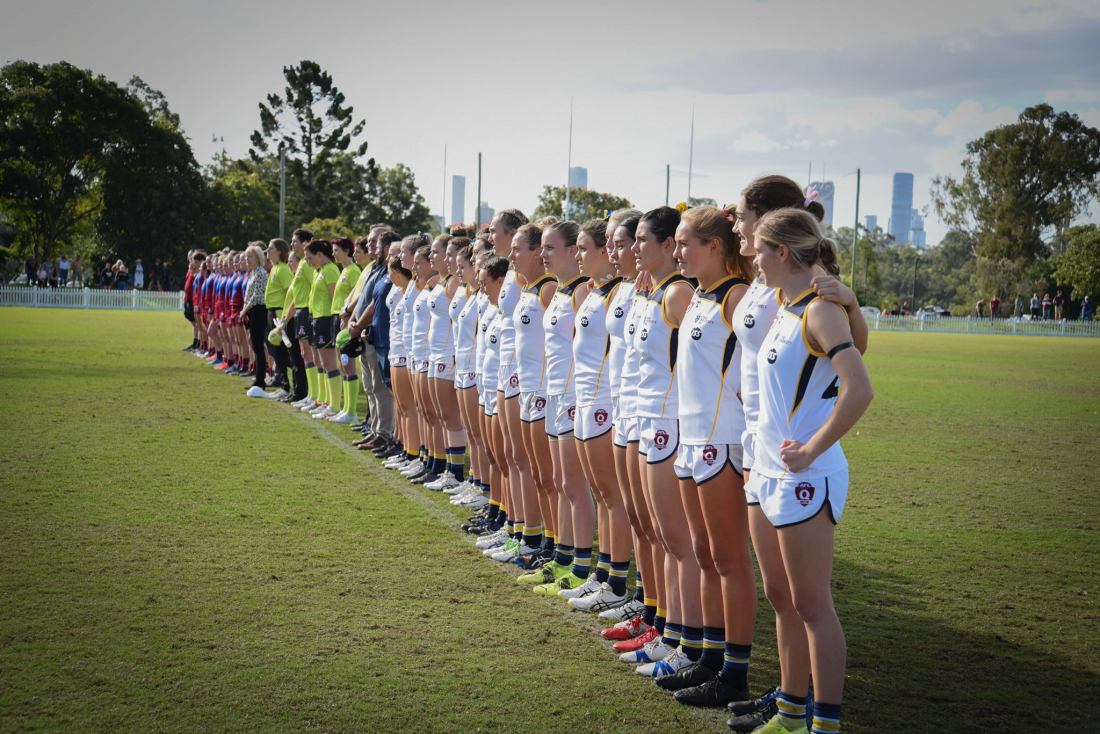

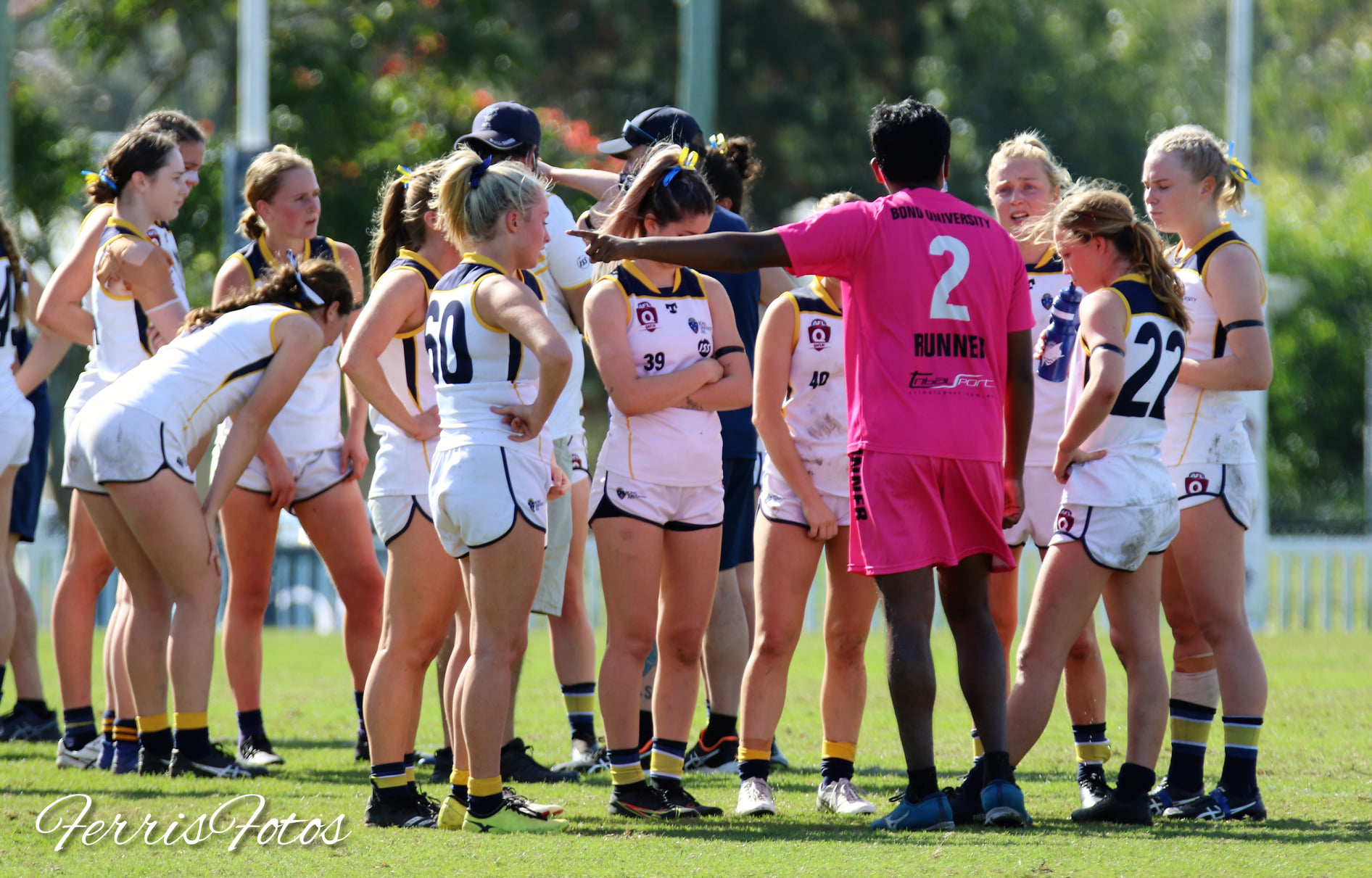
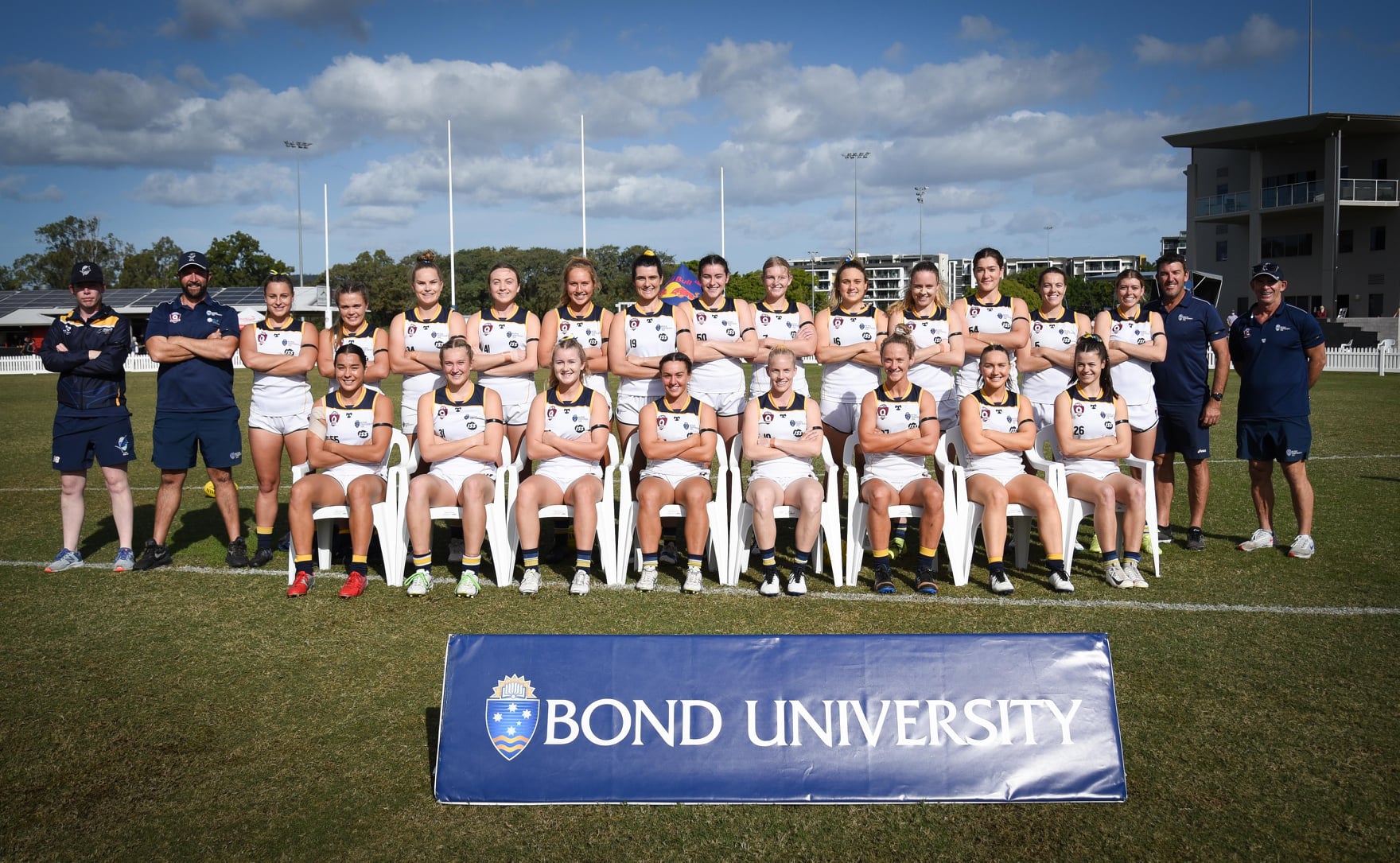
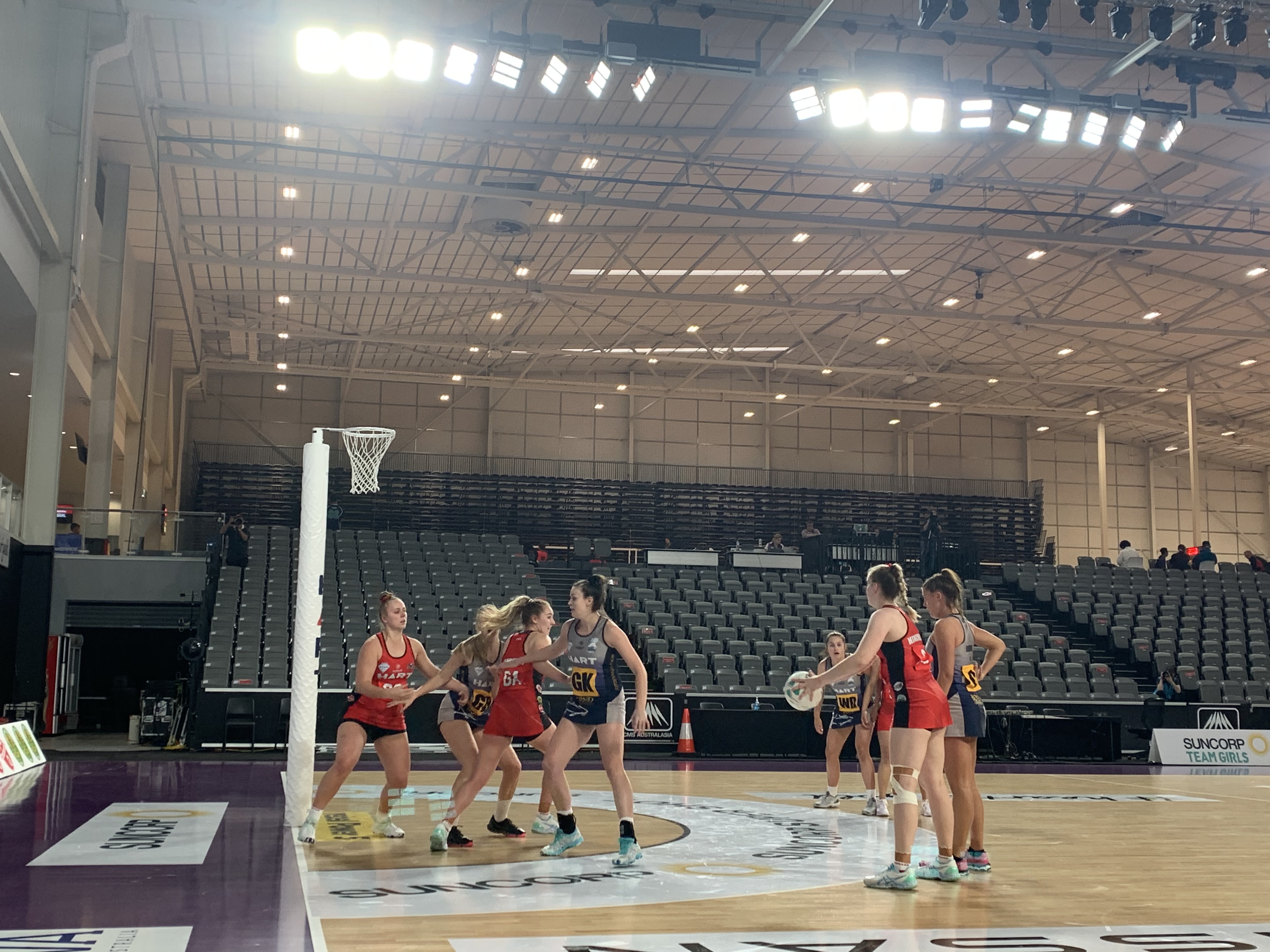

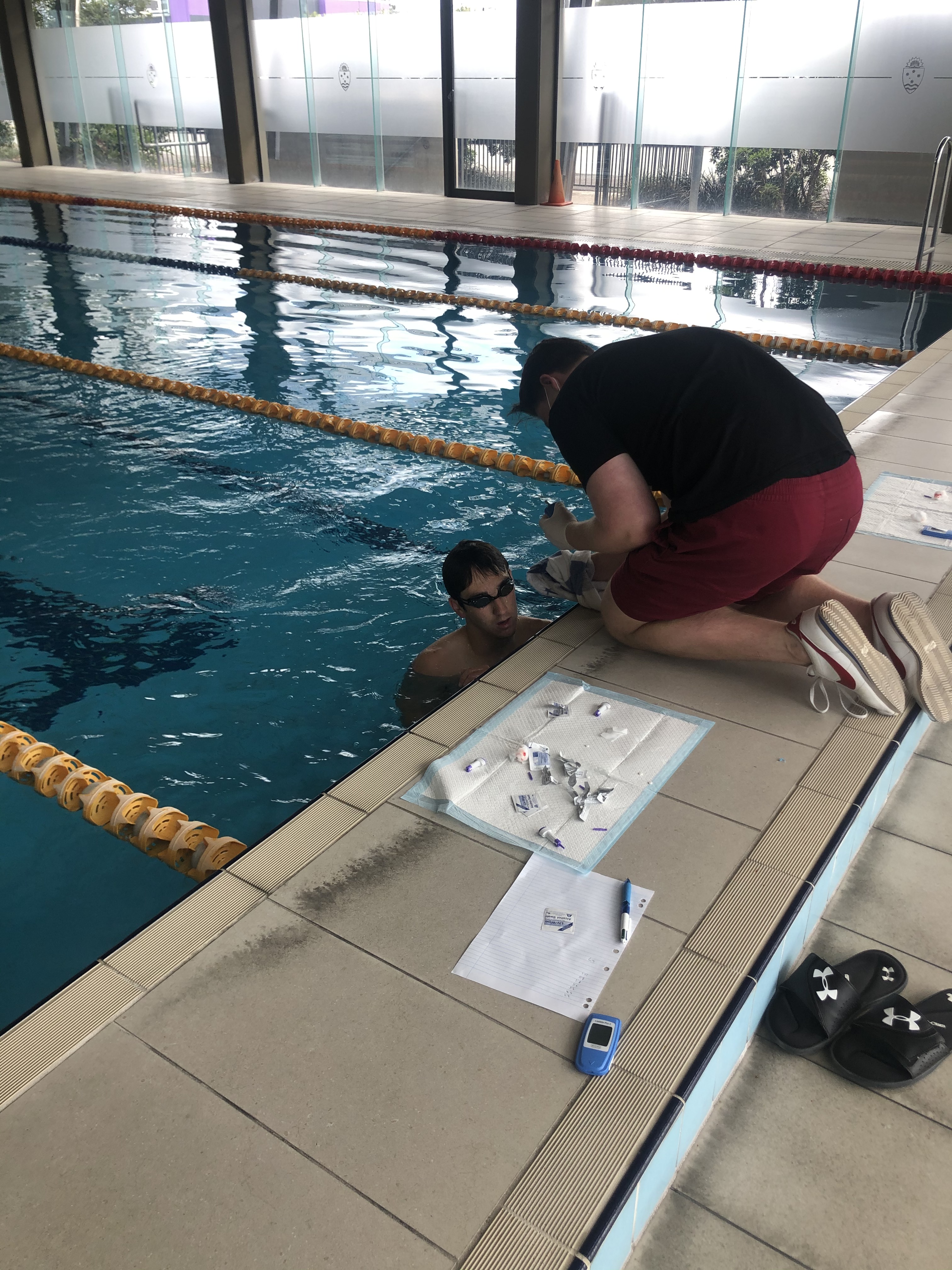
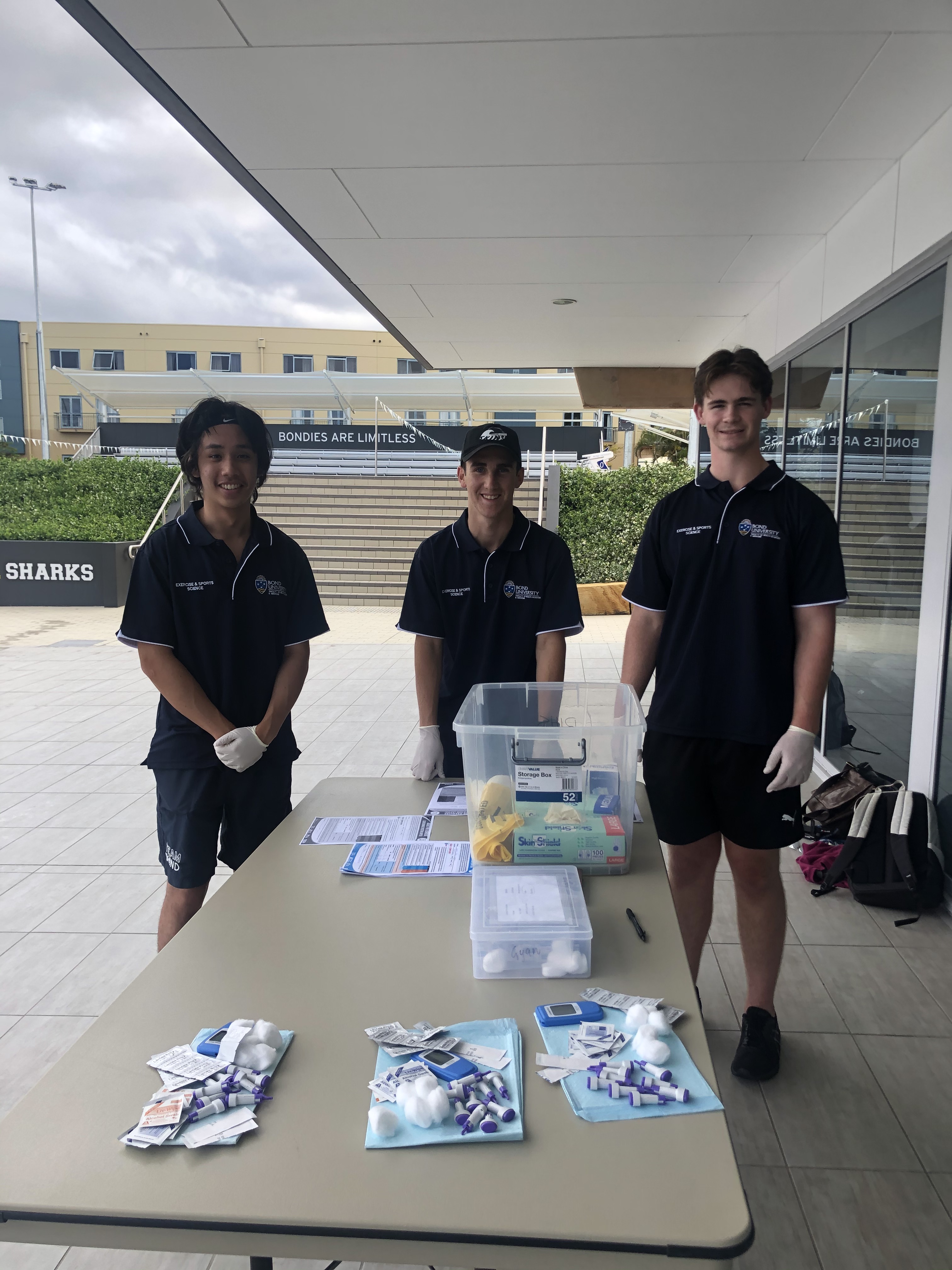

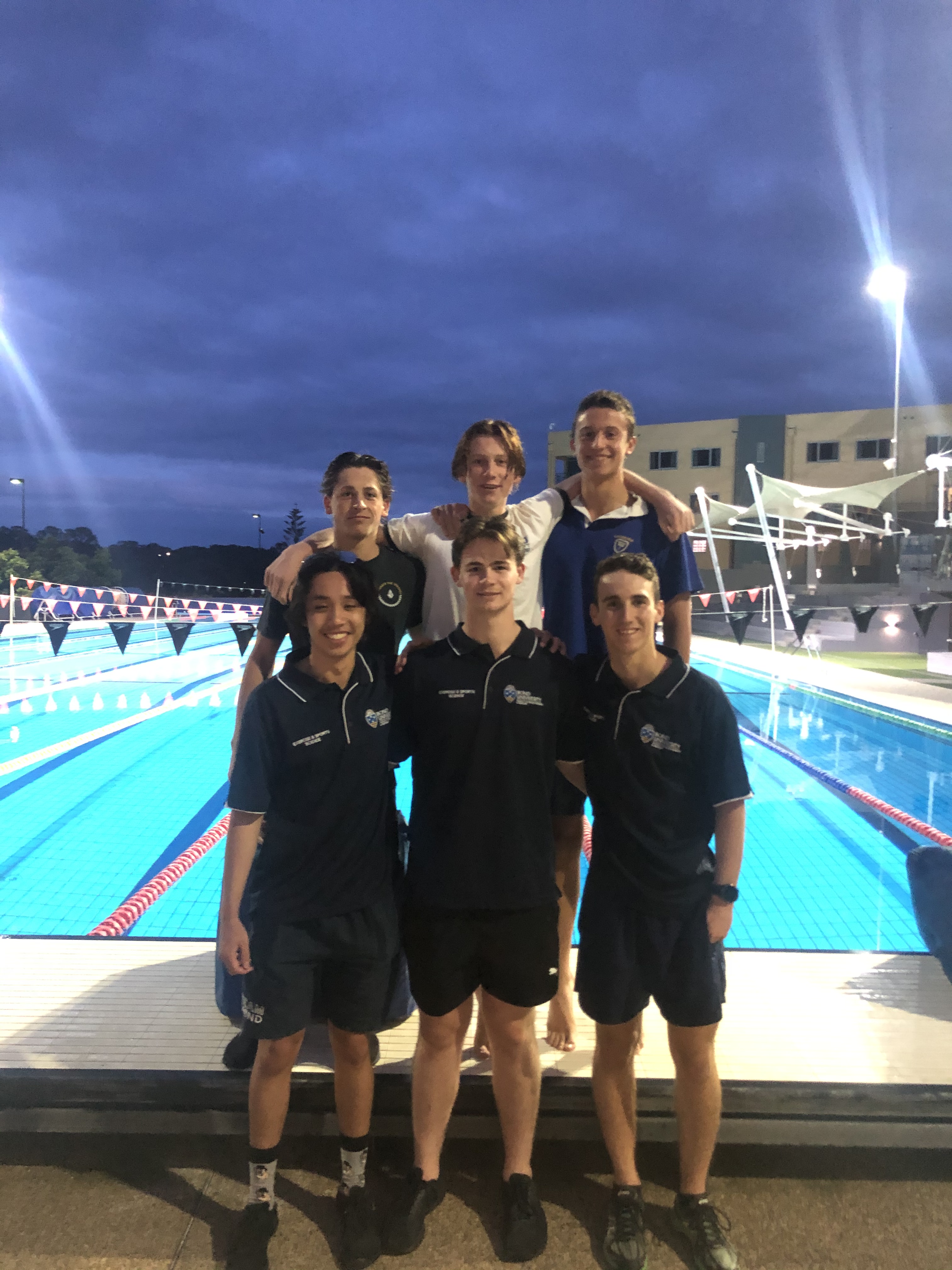

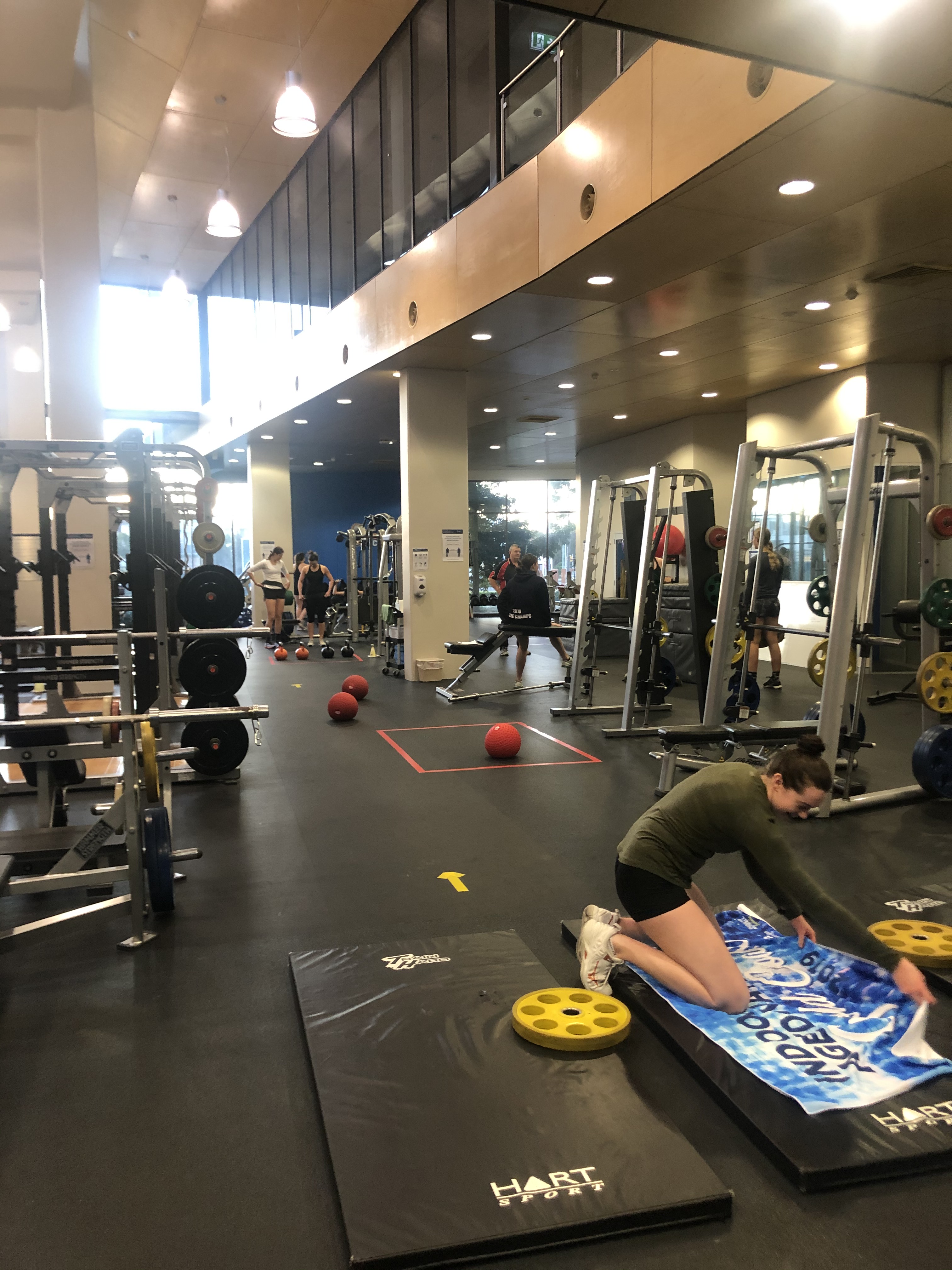

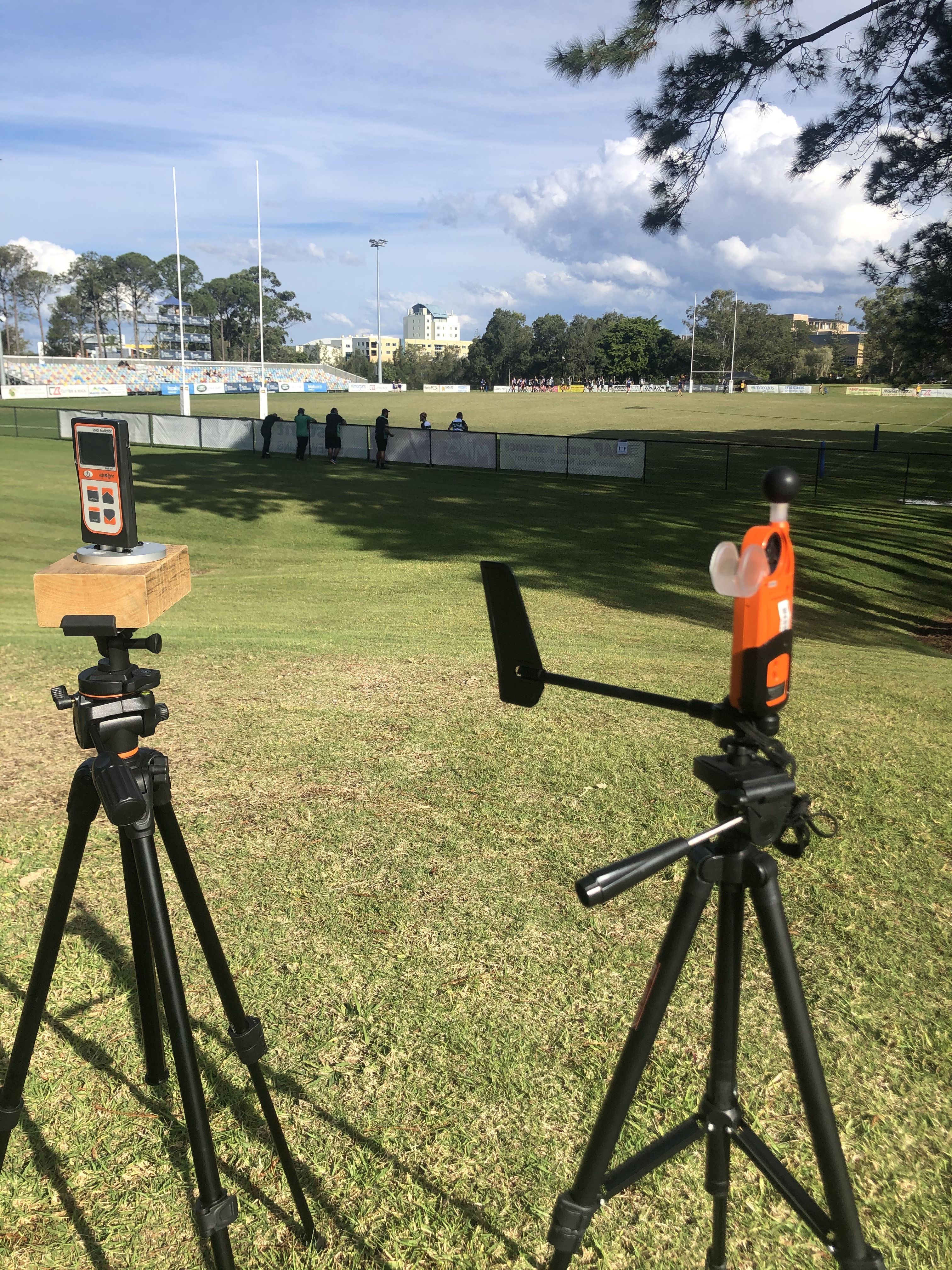
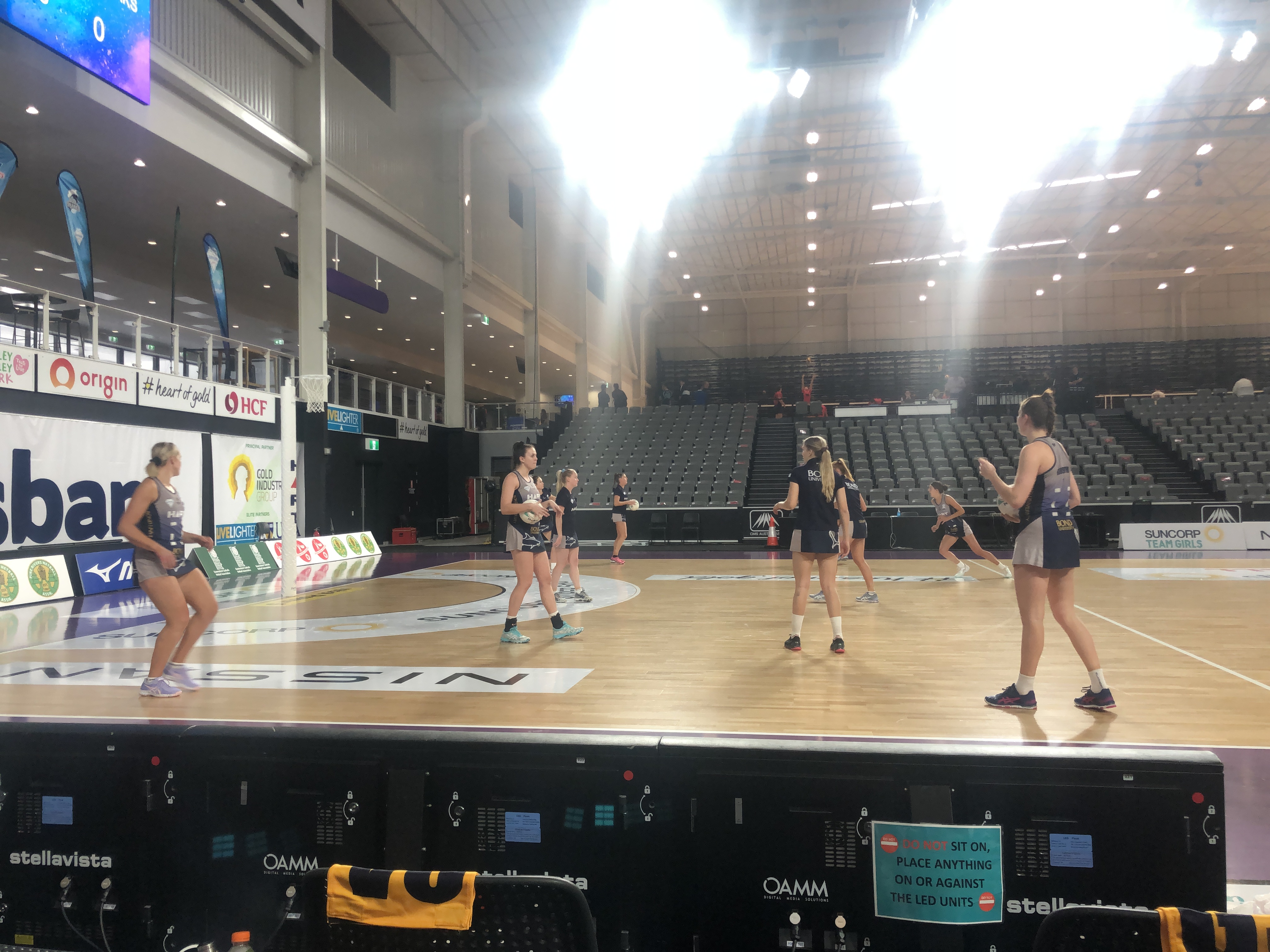


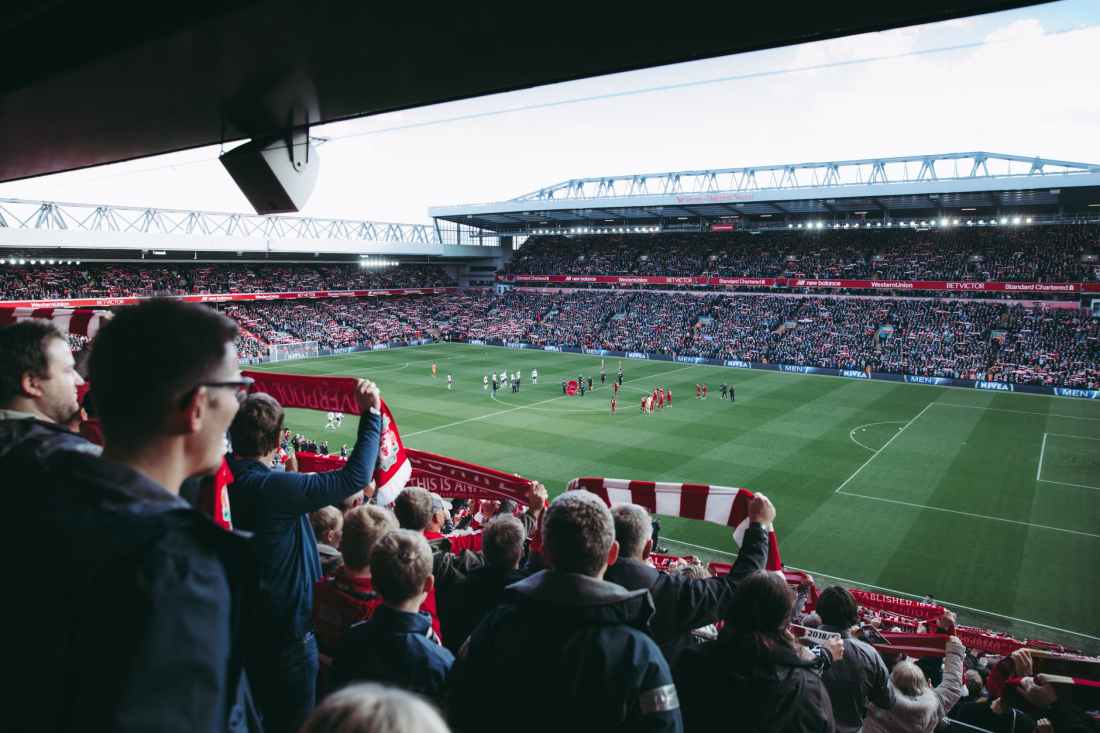


 Figuring out Sport